Key Points
Speed and Low Fees: Solana processes thousands of transactions per second at minimal cost, making it ideal for stablecoins and tokenized assets.
Massive Market Potential: With stablecoins and real-world asset tokenization projected to reach $4 trillion, Solana’s current 4.5% market share could translate into huge on-chain value growth.
Resilient and Reliable: After overcoming early technical issues, Solana’s network improvements and the upcoming Alpenglow upgrade position it as a strong, dependable blockchain for 2026.
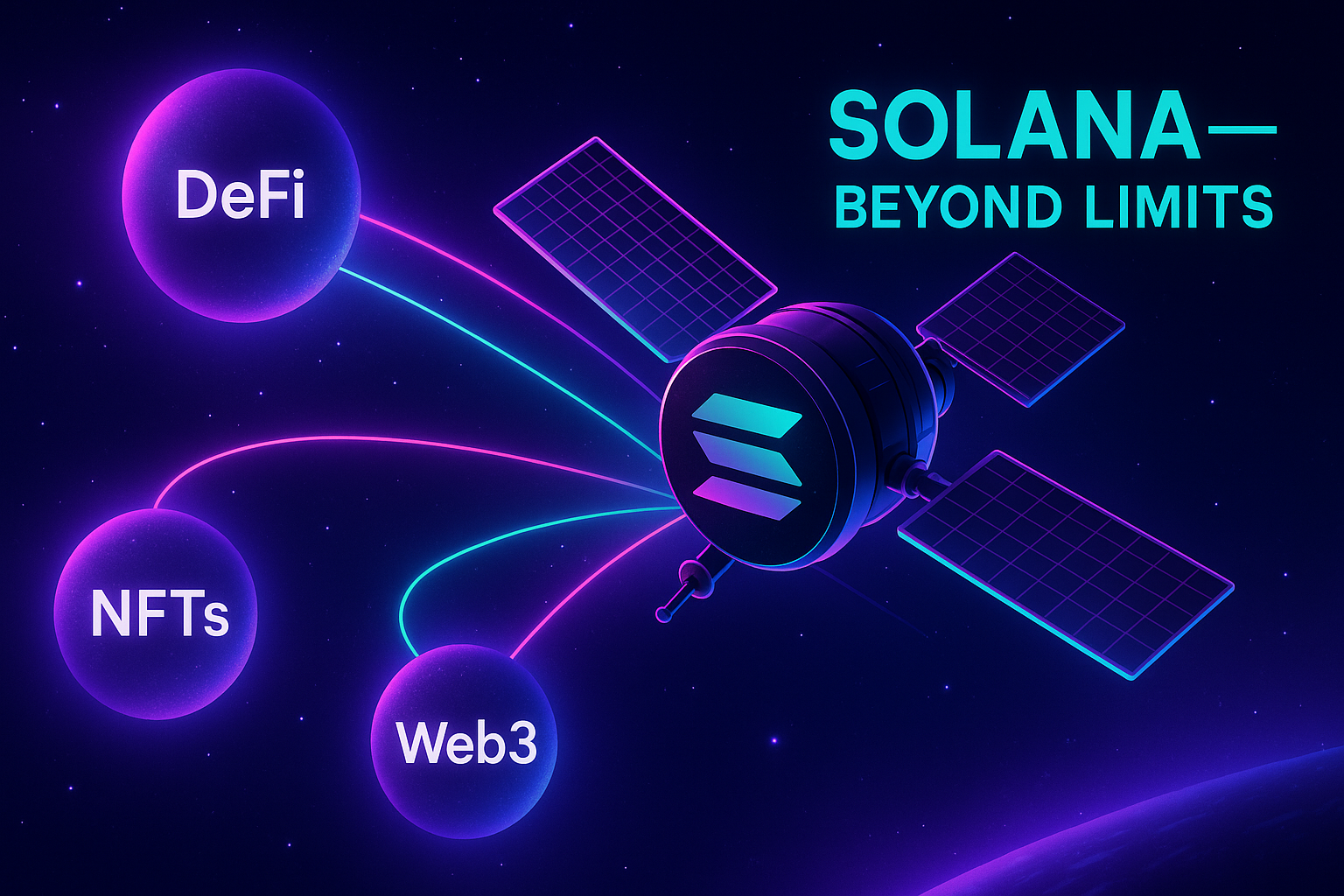
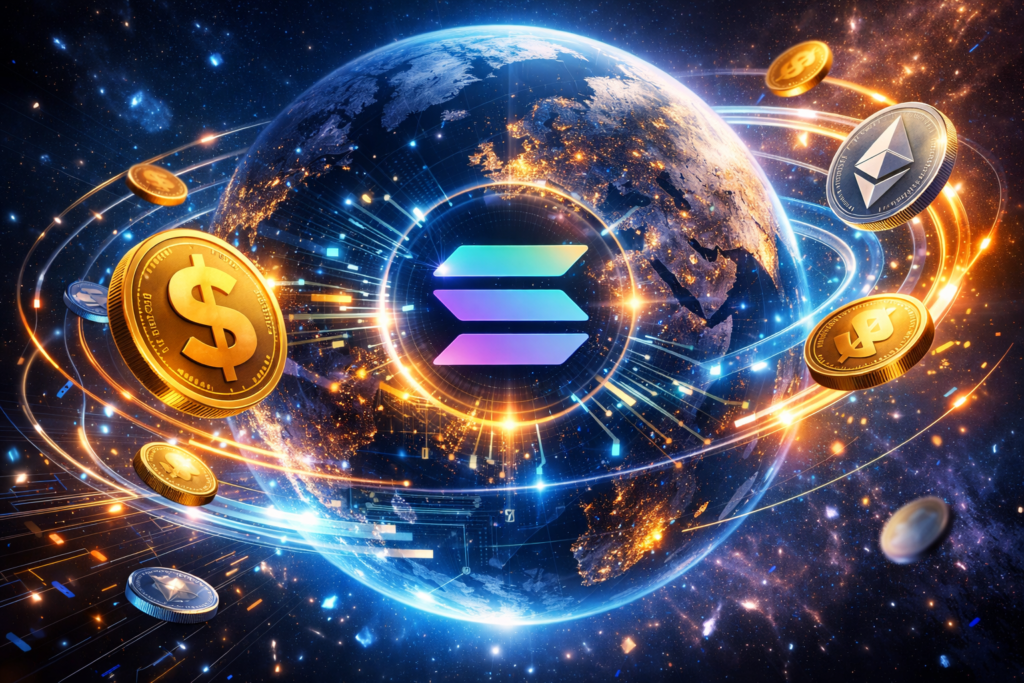
Sending money anywhere in the world instantly, at almost no cost, and without downtime is no longer a dream; that’s exactly what Solana is making possible. While countless cryptocurrencies fight for attention, Solana is quietly proving it can deliver unmatched speed, low fees, and rock-solid reliability.
The market for blockchain-based transactions is about to explode. With stablecoins and tokenized real-world assets gaining traction, Solana could become a key player in handling trillions of dollars worth of transactions. By the end of 2026, this coin may not just be a digital asset—it could be the backbone of a faster, cheaper financial system.
Solana’s Speed and Low Costs Are Hard to Beat
One of the reasons Solana stands out is its transaction speed. On average, the network processes around 1,000 transactions per second, and in stress tests, it has reached 100,000 TPS. For comparison, Bitcoin handles just 7 TPS, and Ethereum roughly 30.
Speed alone wouldn’t matter if costs were high, but Solana keeps fees low. Moving assets on its blockchain is cheaper than on many other networks, which makes it appealing for businesses exploring stablecoin payments or real-world asset tokenization. The network has also improved its reliability. Since February 2024, it has avoided major outages, and the upcoming Alpenglow upgrade promises even more efficiency and stability.
The Market Opportunity Is Massive
The growth of stablecoins and tokenized assets represents a huge opportunity. Experts estimate the market could reach $4 trillion, split evenly between stablecoins and tokenized real-world assets by 2030.
Solana currently holds about 4.5% of this market, meaning the potential on-chain value could jump from $9 billion today to $180 billion if adoption continues. That’s not a promise, but it does show how much room there is for growth. Financial institutions are paying attention because tokenized assets and stablecoins allow for low-cost, round-the-clock global transactions.
Solana’s Investment Perspective
Like any cryptocurrency, Solana has had its ups and downs. Its price dropped around 20% in the past year, yet it still set a new all-time high in 2025, demonstrating resilience.
For investors, Solana represents a bet on the growing adoption of programmable blockchain technology. It may not have made certain top stock or crypto lists recently, but its potential to handle high-volume transactions efficiently gives it a strong edge over other Layer-1 blockchains.
Why 2026 Could Be Solana’s Breakout Year
The combination of fast processing, low fees, and network resilience positions Solana for significant growth. As stablecoins and tokenized assets continue to expand, Solana could become a preferred platform for financial institutions and businesses.
If blockchain adoption keeps accelerating, Solana could move from being “just another cryptocurrency” to a core part of the financial ecosystem. Its speed alone could make it a contender against traditional payment networks, like Visa and Mastercard, for certain digital transactions.
Frequently Asked Questions
What makes Solana different from other cryptocurrencies?
Solana combines speed, low fees, and reliability. It can handle thousands of transactions per second, making it ideal for stablecoins and tokenized assets.
How big is Solana’s market opportunity?
The combined market for stablecoins and real-world asset tokenization could reach $4 trillion, with Solana currently holding 4.5%.
Has Solana faced technical challenges?
Yes. Early technical issues affected reliability, but the network has stabilized, and the Alpenglow upgrade is expected to make it even more resilient.
Is Solana a good investment for 2026?
While all investments carry risk, Solana’s technical capabilities and position in a growing market make it a strong candidate for investors betting on stablecoin and tokenization adoption.
Can Solana compete with payment networks like Visa?
Yes. Solana’s speed and low fees allow it to process high-volume transactions efficiently, making it competitive with traditional networks for digital payments.