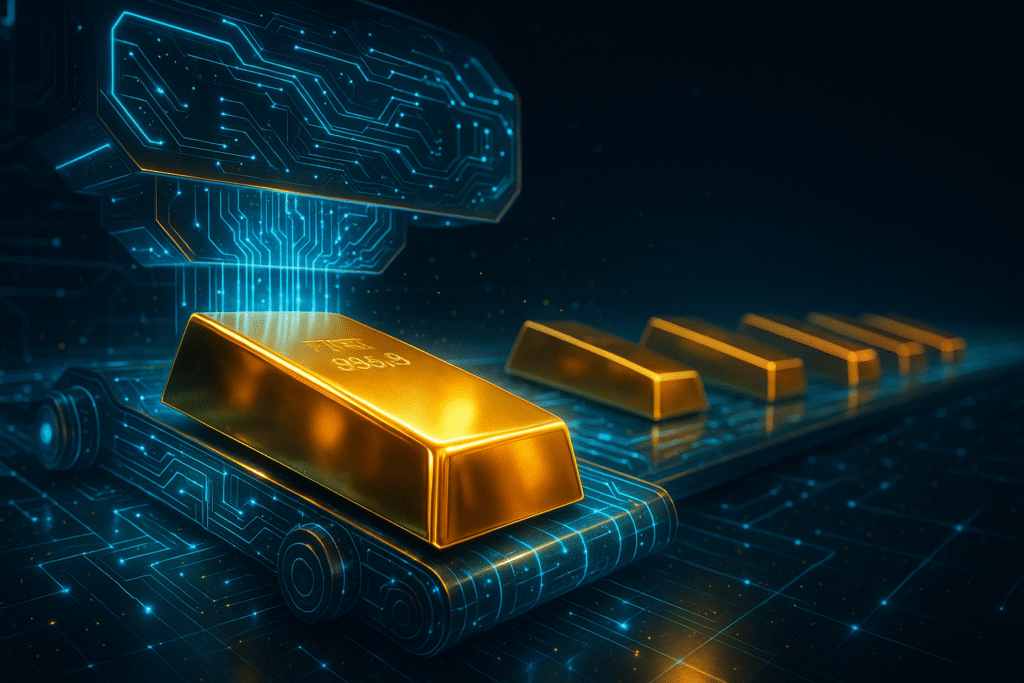
In a world obsessed with the digital – digital money, digital art, digital identities – gold remains defiantly physical. While investors debate Bitcoin, NFTs, and the future of finance, the world’s oldest store of value still quietly glitters in vaults and jewelry boxes across the globe. It doesn’t need a blockchain, an upgrade, or even Wi-Fi. And that’s precisely why gold still matters in a digital economy. It represents something unchanging in a world that never stops changing.
For thousands of years, gold has been humanity’s universal symbol of wealth and stability. Empires have risen and fallen, currencies have come and gone, yet gold has retained its allure. Unlike paper money – or its digital descendants – gold isn’t someone else’s liability. It doesn’t rely on code, central banks, or electricity to hold its worth. When markets crash or inflation spikes, investors still rush to gold because it behaves the same way it always has: steady, scarce, and immune to the chaos of human decision-making.
But here’s the interesting twist – rather than fading into irrelevance, gold has adapted to the digital era. Tokenized gold now exists on blockchains, allowing investors to own fractional shares of real, physical gold without storing a single bar. Financial platforms let users trade it with the same ease as crypto. Even central banks have been quietly increasing their reserves, a sign that in an age of uncertainty, they still trust something tangible. In a sense, gold has become both ancient and futuristic – the analog asset that found a digital passport.
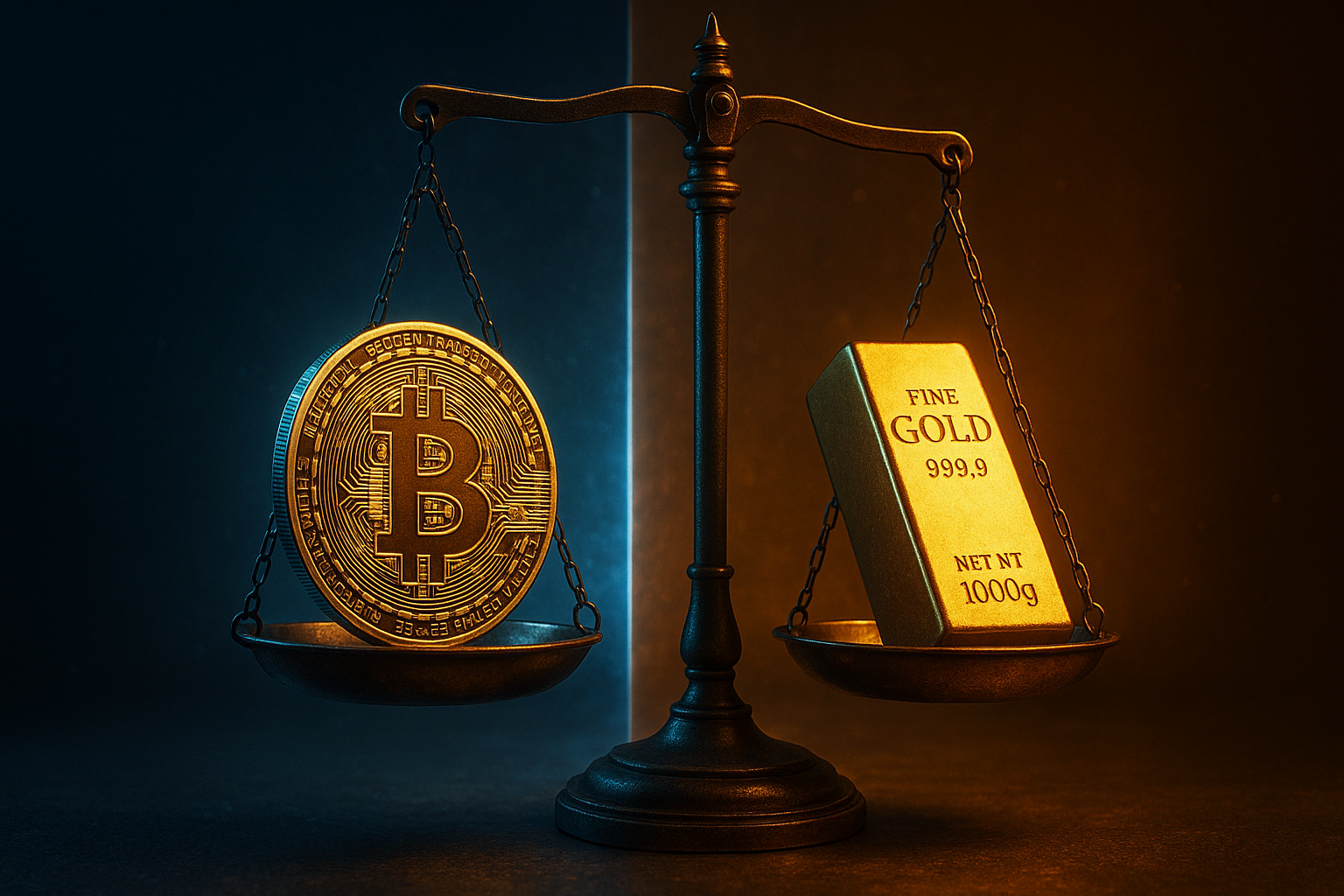
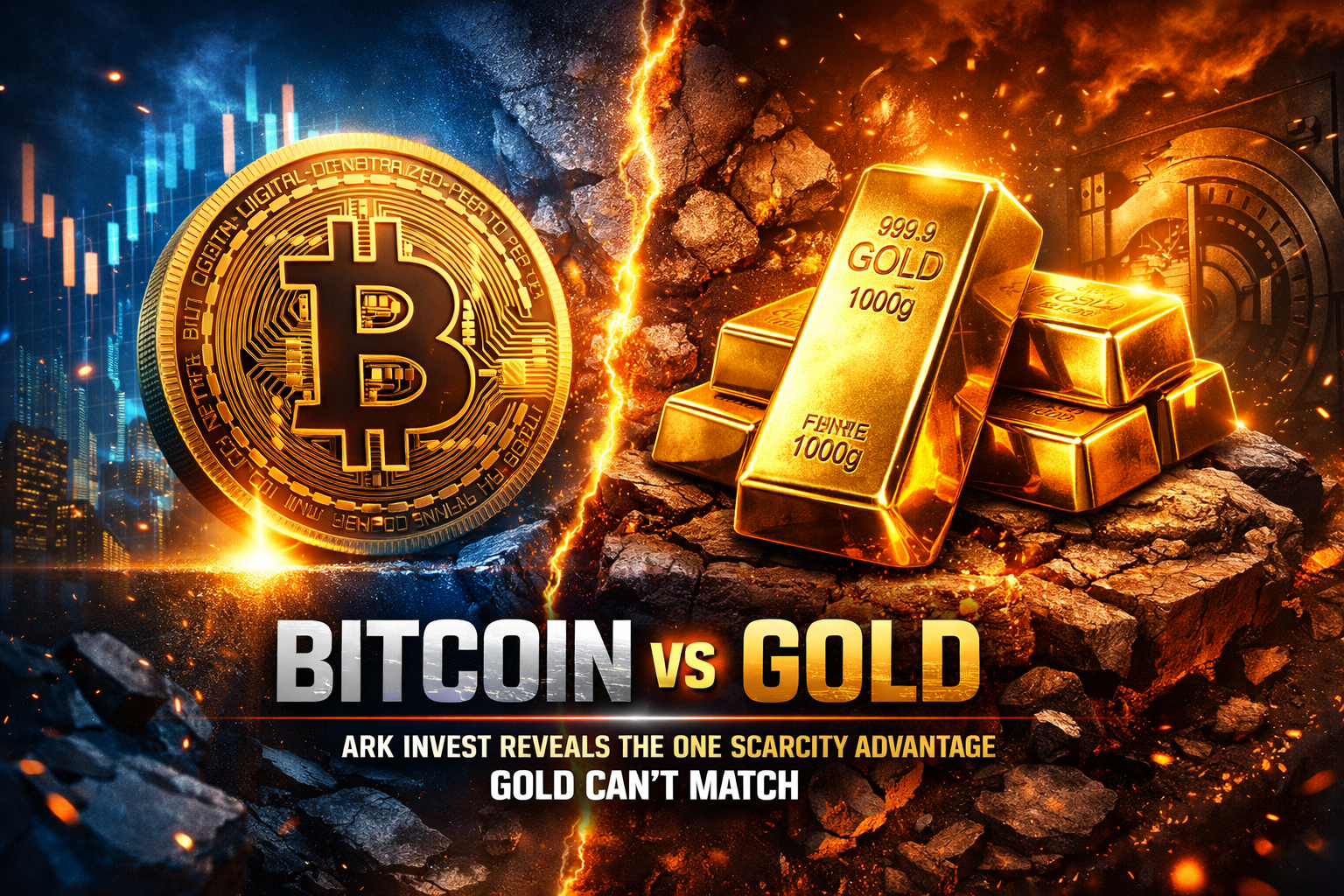
So why not just go all-in on digital alternatives like Bitcoin? After all, Bitcoin has been called “digital gold.” And while the comparison holds weight, the two serve different psychological purposes. Bitcoin represents innovation – a bet on technology and decentralization. Gold represents preservation – a bet on stability and human instinct. When the world feels optimistic, investors flock to digital assets. When it feels uncertain, they return to gold. It’s the financial equivalent of comfort food: familiar, reliable, and satisfying when everything else feels uncertain.
Ultimately, gold’s enduring importance lies in trust. In a digital economy where algorithms make trades in milliseconds and currencies can vanish with a power outage, gold offers something refreshingly simple – permanence. It’s the asset that asks for nothing but time, offering reassurance that not everything valuable needs to exist on a screen. As finance becomes ever more virtual, gold’s role as the physical anchor in a digital storm has never been more relevant. It reminds us that even in an economy made of code, some things shine brighter because they never change.