Few blockchains have lived a story as dramatic as Solana’s. It burst onto the scene as a technical marvel – fast, cheap, and ready to take on Ethereum – only to crash into a perfect storm of bugs, outages, and bad headlines. Critics wrote its obituary more than once. And yet, like a resilient protagonist in a crypto soap opera, Solana didn’t just survive – it came roaring back. Its story isn’t just about code or coins; it’s about what happens when technology meets community and refuses to quit.
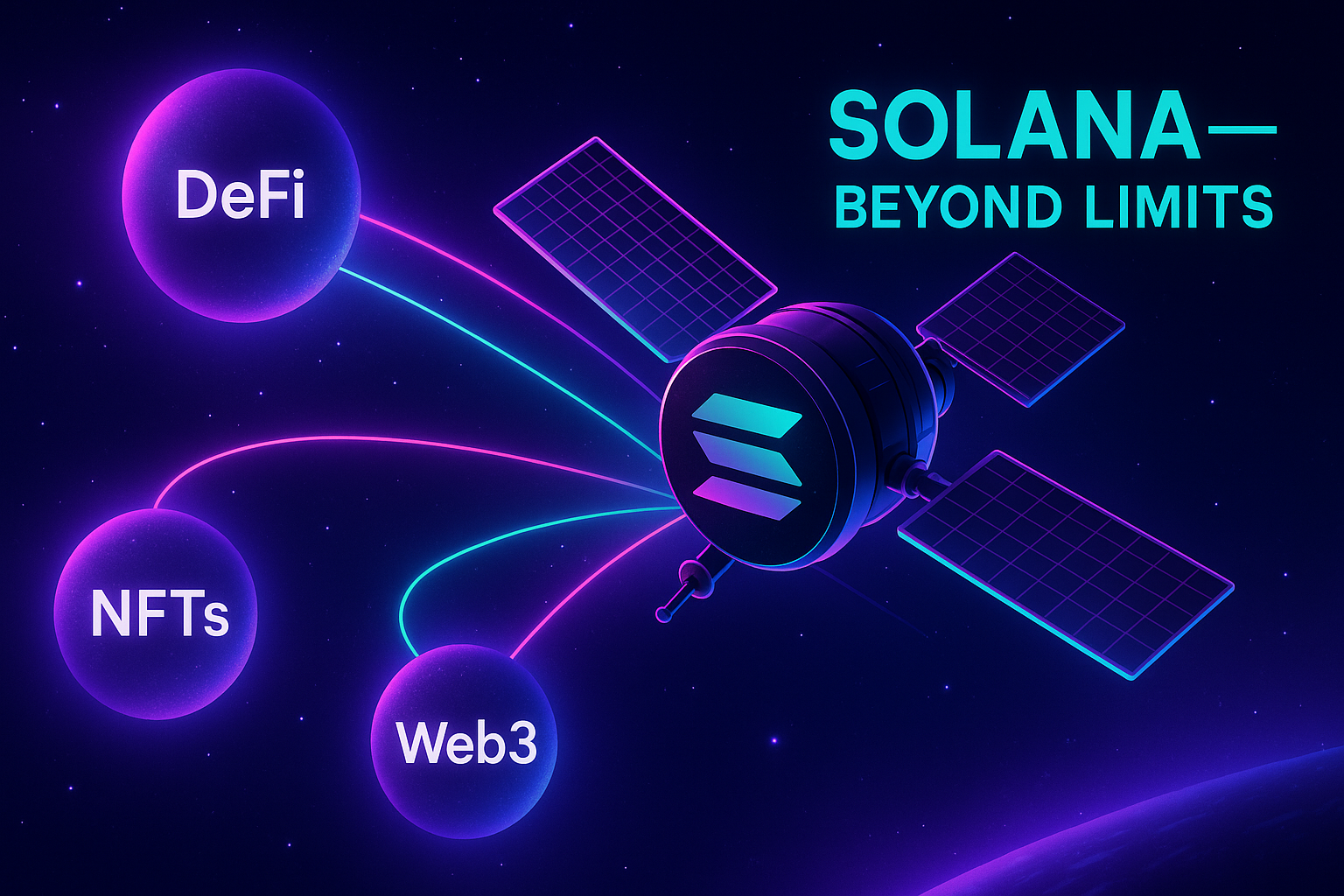
Solana’s rise began with a simple promise: speed. It wasn’t just another blockchain; it was the blockchain that could scale. Its unique Proof of History mechanism allowed transactions to be processed faster and more efficiently than competitors. Developers loved it. Projects migrated to it. Investors couldn’t get enough of it. At its peak, Solana was being hailed as the “Ethereum killer,” with a booming ecosystem of NFTs, DeFi apps, and meme coins fueling a surge in user activity. It felt unstoppable – the golden child of next-generation crypto infrastructure.
Then came the fall. Network outages became the elephant in the blockchain room. Critics pounced on every shutdown, claiming Solana’s architecture was too experimental to be sustainable. To make things worse, the collapse of major players tied to the Solana ecosystem (most notably FTX and Alameda Research) cast a dark shadow over the project. Overnight, sentiment shifted. Prices tanked, developers jumped ship, and the internet declared Solana “dead.” It was a brutal phase – the kind that would have buried lesser projects.
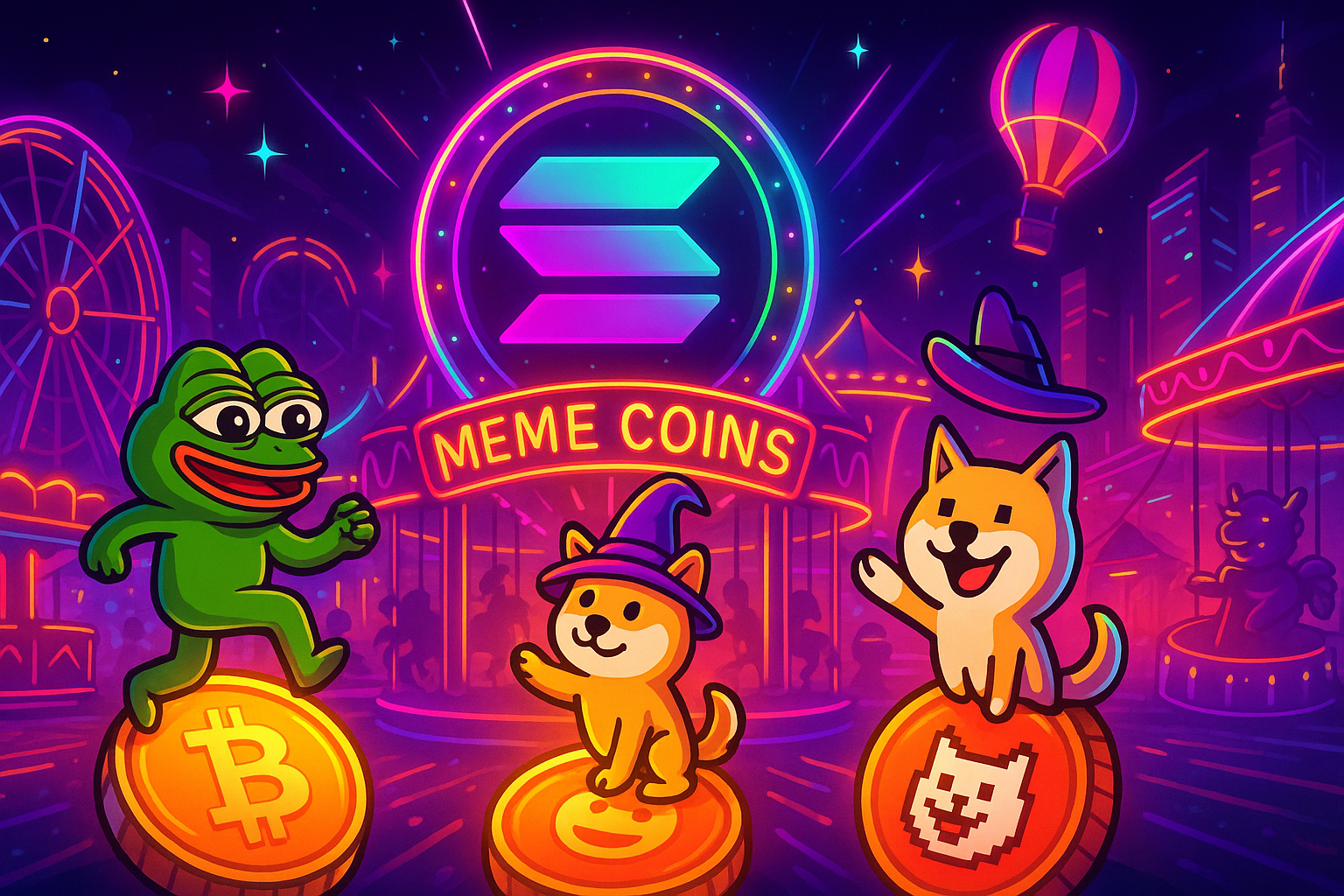
But Solana’s comeback is what turned skeptics into silent observers. Instead of folding, its developers doubled down, patching vulnerabilities, improving reliability, and strengthening infrastructure. Outages became rare. Meanwhile, the community – often the lifeblood of any blockchain – refused to leave. Builders kept building. Meme coins like BONK reignited the fun, NFT creators stayed loyal, and new projects began choosing Solana again for its unmatched performance. The same features that fueled its early rise – low fees and high speed – became its redemption arc.
Today, Solana stands as a symbol of resilience in crypto. It’s not perfect (no blockchain is), but it has proven that innovation isn’t a straight line. It stumbles, recalibrates, and then surprises everyone who doubted it. Solana’s rise, fall, and comeback tell a simple truth: technology alone doesn’t make a blockchain – conviction does. In an industry where narratives change faster than block times, Solana’s revival reminds us that real builders don’t just chase hype; they outlast it.