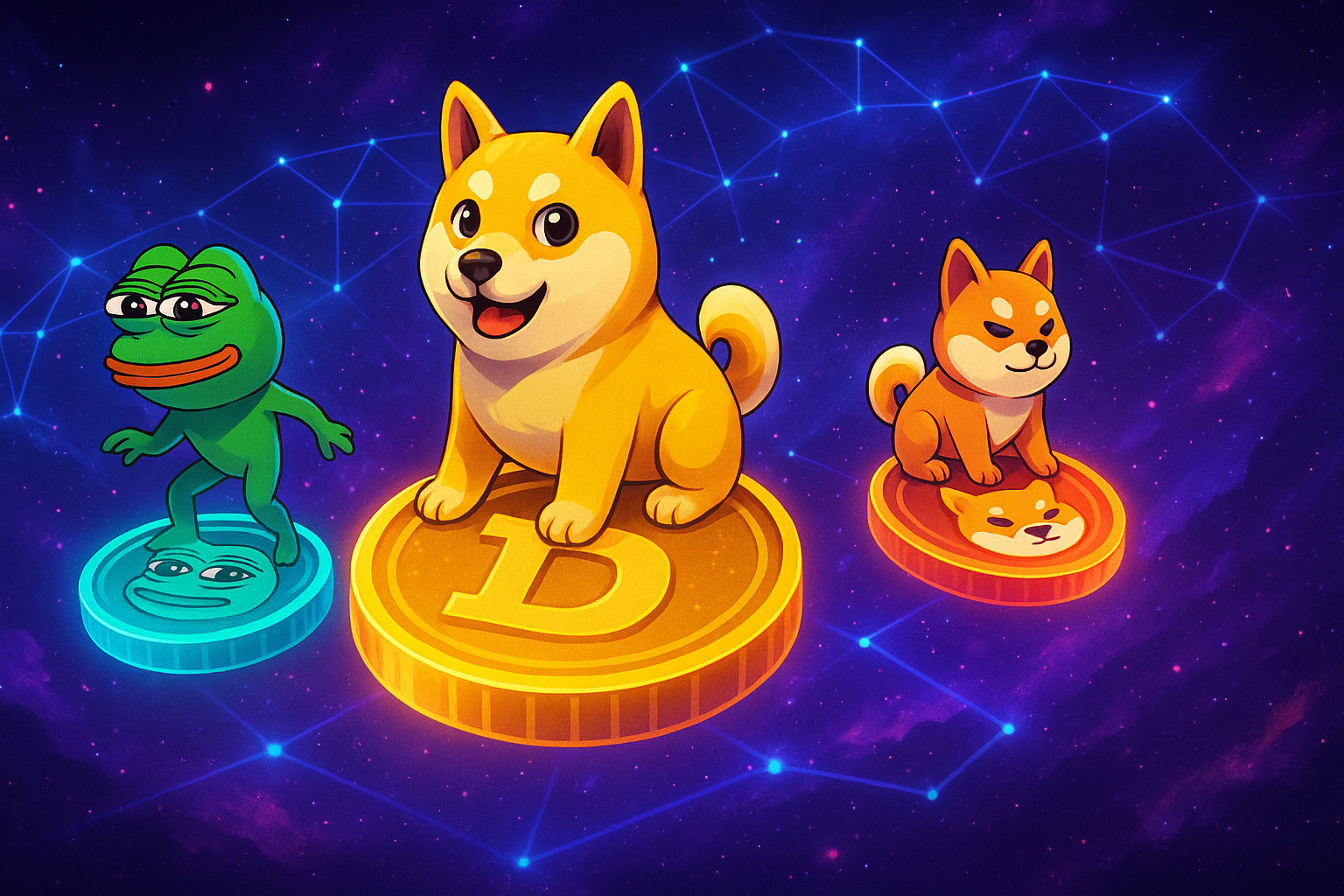
If you ever wondered why the crypto world can’t stop chasing meme coins, from Dogecoin’s friendly grin to Pepe’s sarcastic smirk, the answer lies less in spreadsheets and more in human nature. Meme coins aren’t just investments; they’re emotional experiences disguised as assets. They trigger curiosity, humor, greed, and sometimes chaos, often all at once. Beneath the jokes and the memes is a fascinating study in psychology: why people take financial risks for fun, why they follow the crowd, and why the promise of fortune never loses its shine.
Let’s start with the fun part. Unlike most financial assets, meme coins don’t pretend to be serious. They’re playful, irreverent, and sometimes completely absurd, and that’s their power. In a space filled with complex whitepapers and intimidating tech jargon, meme coins make crypto feel human again. Buying into one feels like joining a party, not a portfolio. It’s entertainment with upside, a blend of humor and hope. That emotional spark creates community, and that community gives the coin its energy. When everyone’s laughing together, it’s easier to believe that maybe, just maybe, the joke could turn into a jackpot.
Then there’s FOMO (Fear of Missing Out), crypto’s favorite emotional cocktail. The moment a meme coin starts trending, traders rush in not because they’ve done the math, but because they’ve seen the story before: early buyers get rich, latecomers cry on Twitter. The social proof is intoxicating. Screenshots of life-changing gains spread faster than caution ever could. It’s a digital gold rush with memes as pickaxes. Rational investors may scoff, but FOMO is powerful, it turns spectators into participants, fueling the cycle all over again.
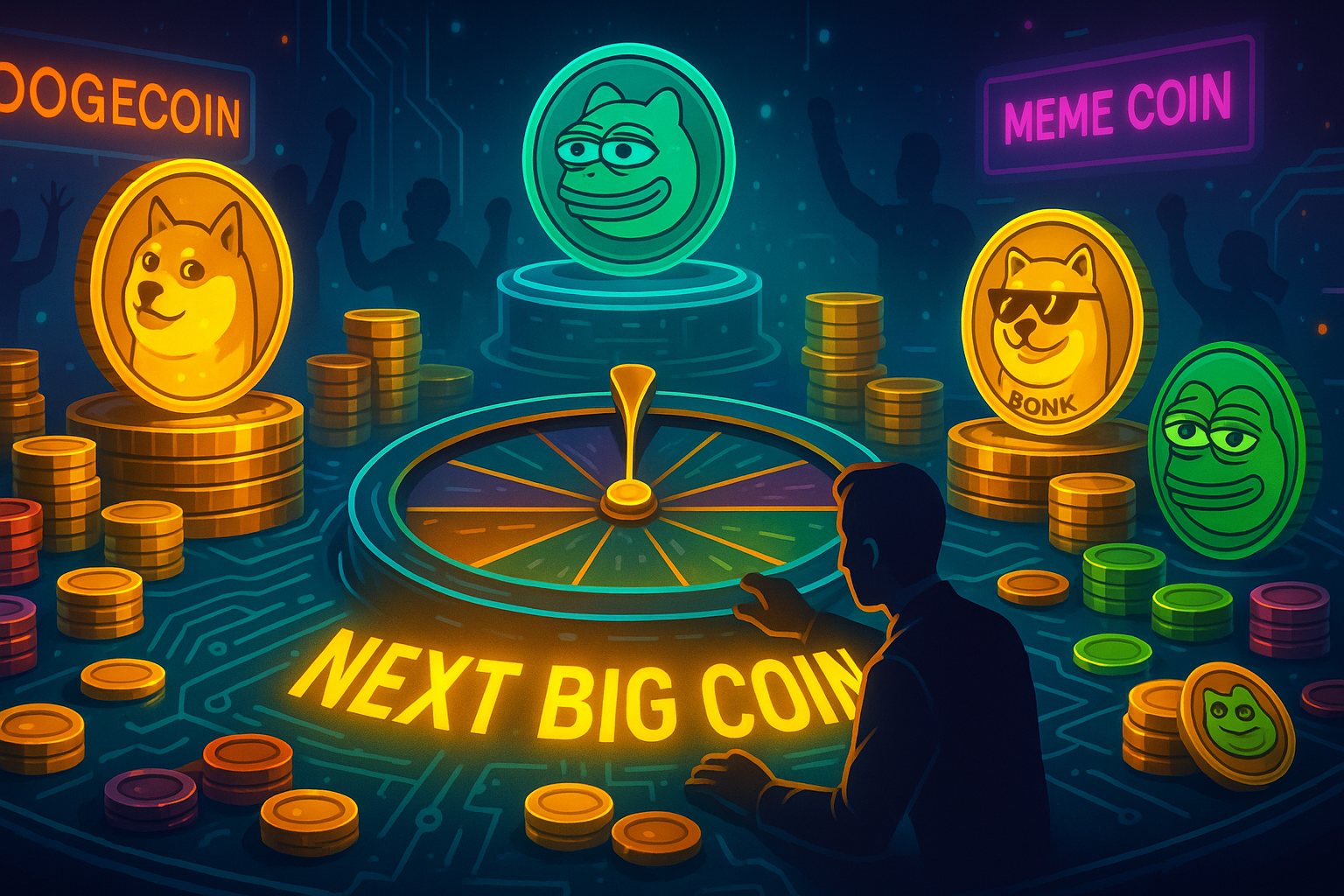
And of course, the final piece: fortune. While meme coins start as jokes, every now and then, one becomes legendary. Dogecoin went from a prank to a top-ten crypto. Shiba Inu turned thousands into millions. These rare success stories create what psychologists call “availability bias”, people remember the wins far more vividly than the countless coins that vanished. It’s the same mental loop that fuels lotteries and casinos, except this one has a Telegram group and a whitepaper written in memes. The hope of being early, of catching lightning in a pixelated bottle, keeps the dream alive.
Ultimately, meme coins aren’t just a financial phenomenon; they’re a mirror held up to investor behavior. They reveal how deeply emotion drives markets, how laughter, envy, and excitement can move billions of dollars faster than logic ever could. Fun keeps people engaged, FOMO keeps them acting, and fortune keeps them believing. Whether you see meme coins as madness or genius, they prove one universal truth: in crypto, human psychology is the most powerful token of all.