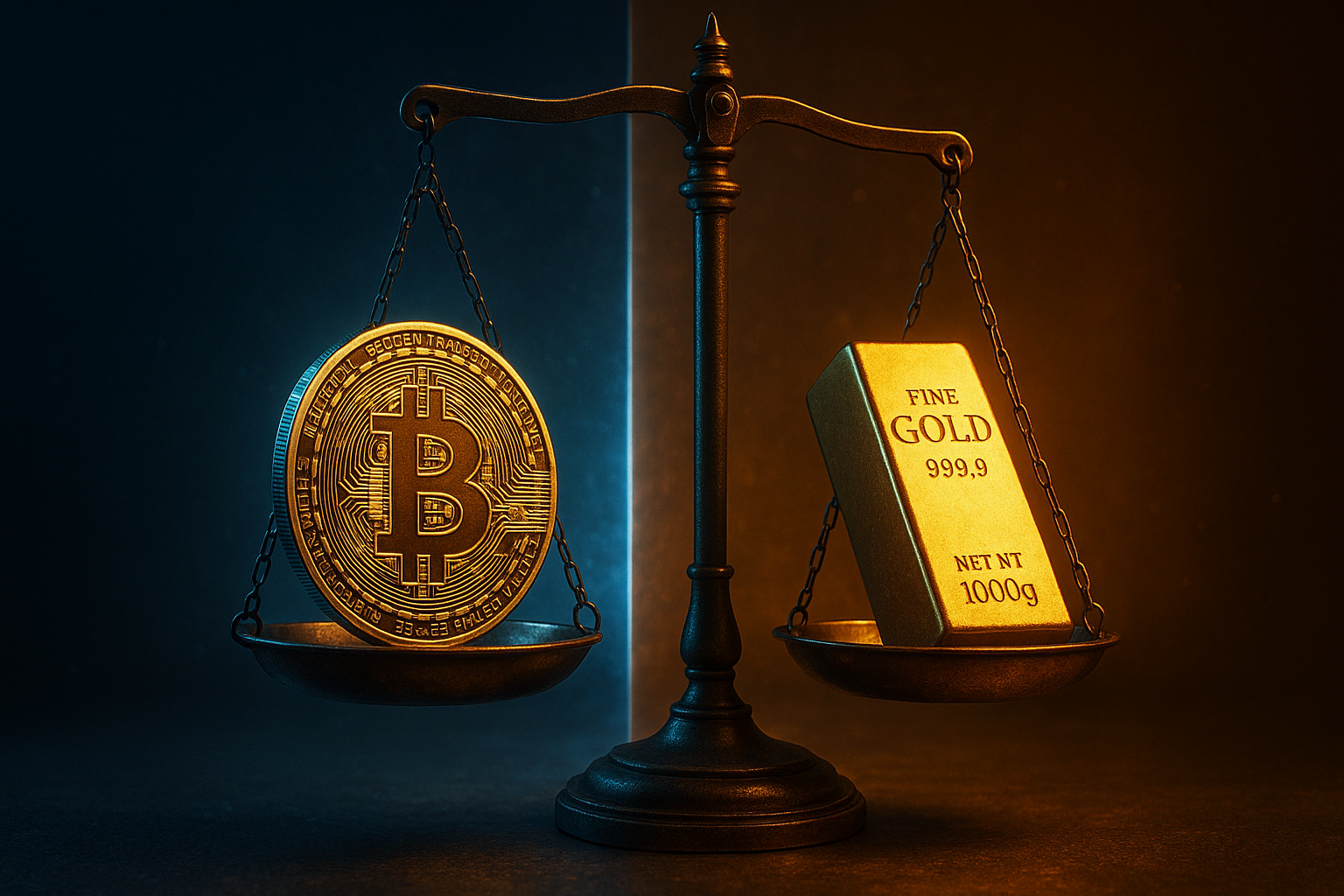
For as long as humans have been trading shiny things, silver and gold have shared an intertwined destiny. They’re the twin pillars of the precious metals world, one the timeless symbol of wealth and prestige, the other the people’s metal: accessible, useful, and equally alluring. But there’s one metric that’s fascinated traders and historians for centuries, the gold-to-silver ratio. It’s the invisible thread that links the two metals, revealing when one is undervalued or when the other might be stealing the spotlight. Understanding that ratio is like reading the mood of the metals market, a story of scarcity, psychology, and shifting tides.
So, what exactly is the gold-to-silver ratio? In simple terms, it’s how many ounces of silver it takes to buy one ounce of gold. If gold is $2,000 an ounce and silver is $25, the ratio is 80. For most of history, that number has bounced between 10 and 100, a wide range that reflects changing perceptions of value, availability, and industrial demand. In ancient Rome, the ratio hovered around 12-to-1. During the 19th century, it averaged closer to 15 or 16. Today, it tends to be much higher, often above 70, signaling that silver is far cheaper relative to gold than in the past.
This ratio isn’t just trivia, it’s a barometer of investor sentiment and market dynamics. A high ratio usually means silver is undervalued compared to gold, which historically has tempted contrarian investors to load up on the gray metal. A low ratio, on the other hand, indicates silver has caught up or even overheated. Traders and hedge funds often use these swings as a guide for positioning, swapping between gold and silver to ride cycles of fear and optimism. When markets panic, gold typically outshines. When confidence returns, silver, with its industrial and speculative appeal, tends to sprint ahead.
What makes the ratio so fascinating is how it bridges two worlds. Gold’s value is largely emotional, rooted in history, scarcity, and trust. Silver’s value, meanwhile, is also practical, it’s literally used in everything from electronics to solar energy. That industrial demand makes silver more sensitive to economic growth and technological trends. When global manufacturing booms, silver shines brighter; when recession looms, gold takes the lead. The ratio, in a way, tells the story of human optimism versus caution.
In the end, the gold-to-silver ratio isn’t a magic number, but it’s one of the oldest tools for understanding how markets value fear, faith, and function. It reminds investors that these two metals, though cousins, respond differently to the world’s moods. Gold guards wealth; silver reflects progress. And somewhere between them, in that ever-shifting ratio, lies a glimpse into how humanity balances security with ambition.