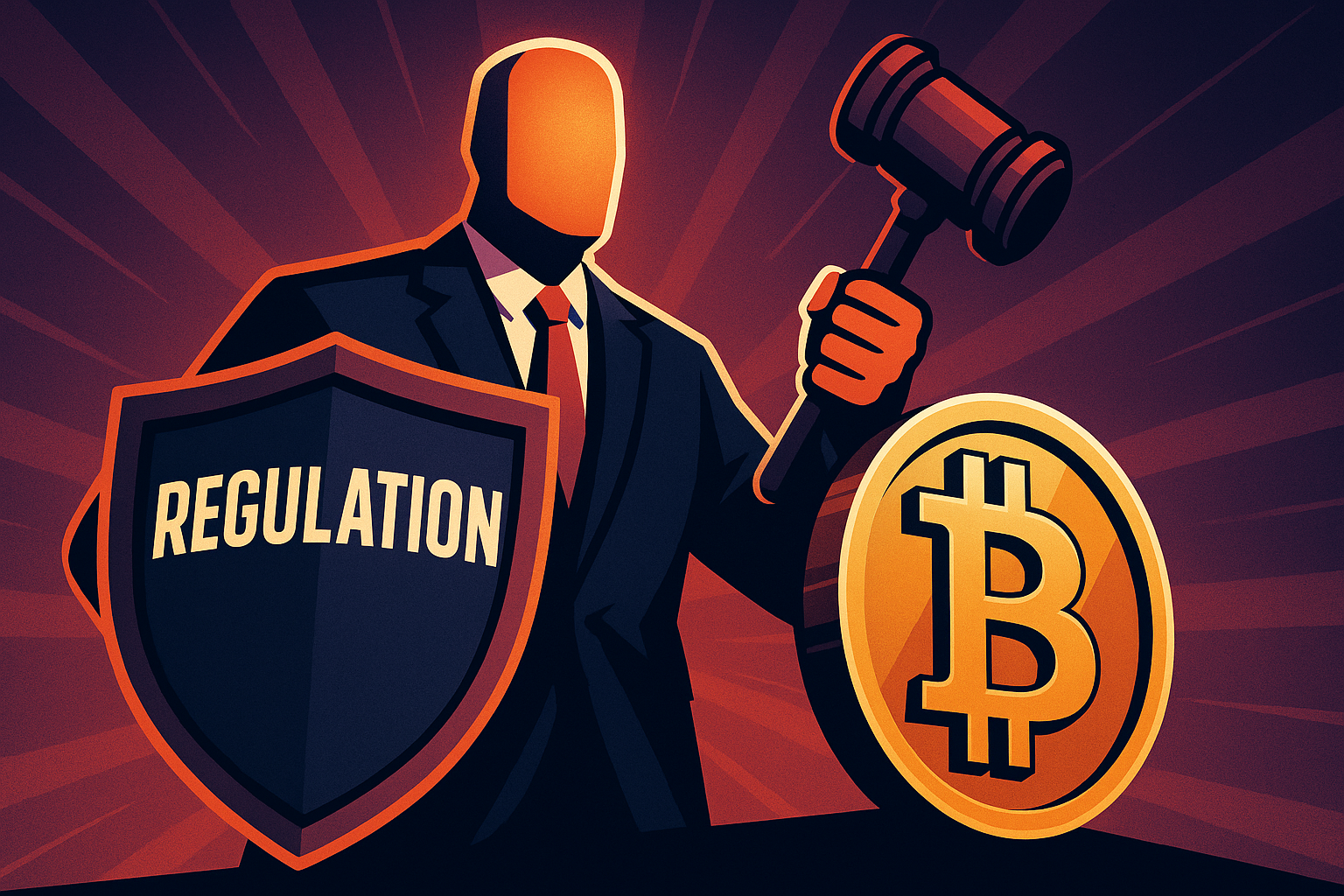
In the grand chessboard of American finance, the U.S. Securities and Exchange Commission, the SEC, is the queen. It moves in every direction, commands respect, and when it makes a move, the entire crypto market reacts. Love it or loathe it, the SEC has become the single most influential player in shaping how digital assets evolve in the United States. For a technology built on decentralization, it’s an ironic twist, the future of crypto in America is being defined by one very centralized institution.
To understand the SEC’s role, you have to start with its mission: protecting investors, maintaining fair markets, and facilitating capital formation. Simple in theory, tricky in crypto. The SEC views many digital assets not as currencies or commodities, but as securities, investment contracts subject to the same laws that govern stocks and bonds. That classification is based on the famous Howey Test, a legal standard from a 1946 Supreme Court case. If investors expect profits based on the efforts of others, it’s a security, and that’s where things get complicated. Tokens, networks, and ecosystems don’t fit neatly into that box.
The agency’s approach has been a mix of enforcement and education. On one hand, it has gone after unregistered token offerings, celebrity promotions, and exchanges operating outside its jurisdiction. The message is clear: compliance first, innovation second. On the other hand, the SEC has slowly clarified how some assets might escape the “security” label, particularly those that are sufficiently decentralized, think Bitcoin and, to a debated extent, Ethereum. This dual stance, part watchdog, part teacher, keeps the market on edge but also drives maturity. It’s regulation by example, one lawsuit at a time.
Critics argue that the SEC’s enforcement-first strategy stifles innovation, pushing startups overseas to friendlier jurisdictions. Supporters counter that crypto’s early years were a lawless gold rush and that oversight is necessary to protect consumers from fraud and instability. In truth, both sides have a point. Clear rules attract serious investors; unclear rules attract opportunists. The SEC’s challenge is to walk the line between preventing chaos and allowing creativity, a balance that even seasoned regulators struggle to strike in fast-moving industries.
Ultimately, the SEC’s influence is forcing the U.S. crypto industry to grow up. Exchanges are seeking proper registrations, token projects are hiring compliance teams, and institutional investors are finally dipping their toes into digital assets with more confidence. Whether you see the SEC as a gatekeeper or a necessary referee, one thing is certain: its actions are shaping not just how crypto operates, but who gets to participate. In a way, the SEC isn’t killing innovation, it’s forcing it to evolve. And in a sector built on adaptation, that might be the most crypto thing of all.