Highlights
- Monero is private digital cash, while Bitcoin is scarce digital gold
- Tail emissions mean Monero does not share Bitcoin’s absolute scarcity
- Regulatory pressure and exchange delistings create real liquidity risks
Every crypto cycle brings a familiar question back into the spotlight. Could this be the next Bitcoin? The phrase has launched rallies, fueled hype, and just as often, emptied wallets. Now, as privacy concerns grow louder in a world obsessed with surveillance and compliance, a new contender is being whispered about.
That contender is Monero. Supporters argue its privacy-first design gives it an edge Bitcoin never had. Skeptics say that the same feature may permanently cap its growth. So let’s slow down, look past the hype, and answer the real question investors are asking. Could Monero be the next Bitcoin, or is it solving a completely different problem?
Why Monero Is Even Compared to Bitcoin
At first glance, the comparison seems reasonable. Both Bitcoin and Monero rely on proof of work, both aim to function as money outside traditional banking systems, and both have deeply committed communities. But once you look under the hood, the similarities thin out fast.
Bitcoin, represented by Bitcoin, is built around radical transparency and absolute scarcity. Every transaction is visible, and its maximum supply is capped at 21 million coins. That simplicity is part of why Bitcoin became digital gold.
Monero, on the other hand, takes the opposite approach. It hides transaction amounts, sender addresses, and recipient details by default. This makes Monero private digital cash rather than a transparent settlement layer. The comparison exists not because they are alike, but because both challenge the existing financial order in different ways. That distinction matters when asking whether Monero could be the next Bitcoin is even the right question.
Scarcity vs Tail Emissions: A Fundamental Divide
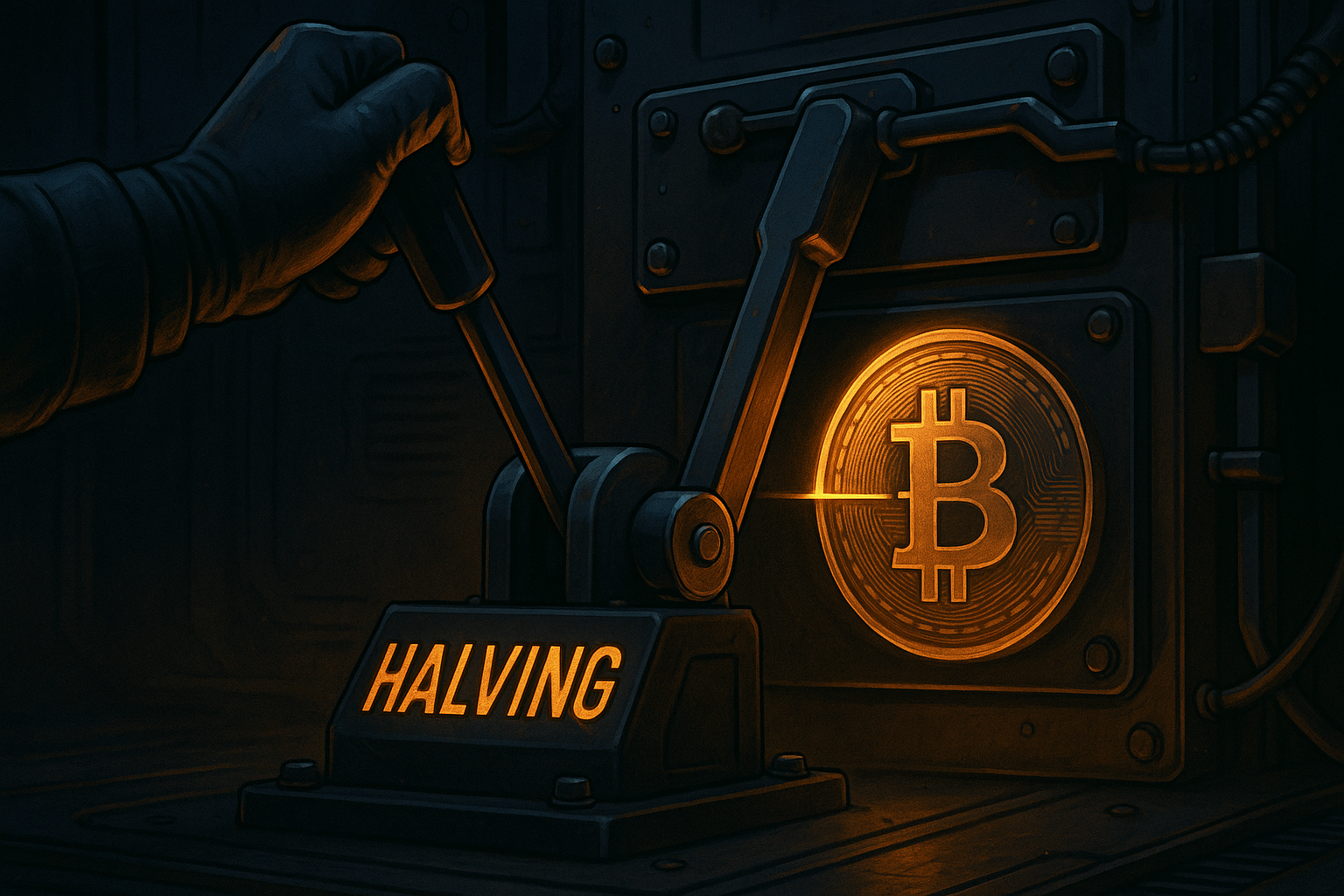
Bitcoin’s investment thesis is easy to explain. New supply gets cut roughly every four years through halvings, and eventually, issuance drops to zero. Even if demand stays flat, reduced supply pressure alone can push prices higher over time.
Monero does not follow this path. After 2022, Monero shifted to a tail emission model, where miners receive a fixed reward of 0.6 XMR per block indefinitely. That results in roughly 1% annual supply growth, gradually decreasing as total supply increases.
This design choice improves long-term network security by ensuring miners are always incentivized. But from an investment standpoint, it introduces ongoing dilution. Unlike Bitcoin, Monero requires steady new demand just to maintain price levels. That single difference answers part of the question, could Monero be the next Bitcoin, with a firm no in terms of scarcity-driven appreciation.
Privacy Is Powerful, But It Comes With a Cost
There is no debate about Monero’s usefulness. Privacy protects individuals from unwanted scrutiny, businesses from leaking sensitive data, and everyday users from having their financial lives mapped out forever. In a world where blockchain analytics firms track every move, Monero’s privacy feels refreshing and necessary.
But regulators see things differently. Financial systems depend on traceability to enforce anti-money laundering rules and source-of-funds verification. Privacy-by-default assets break that model. This tension has already played out in the market.
In 2024, Binance delisted Monero in several jurisdictions following regulatory pressure. Other exchanges followed with restrictions or outright removals. That makes Monero harder to buy, harder to hold with confidence, and potentially harder to sell. These realities matter more to investors than philosophical debates about privacy.
Adoption Is Not Just About Technology
Crypto history is filled with technically superior projects that failed to gain adoption. Bitcoin did not win because it was perfect. It won because it was simple, scarce, and aligned with institutional narratives.
Monero’s narrative is harder to sell. Governments are uncomfortable with it. Institutions avoid it. Payment integrations rarely support it. Even if millions of users value privacy, adoption bottlenecks at exchanges and regulators slow growth dramatically.
This is why asking could Monero be the next Bitcoin misses the deeper truth. Monero is not competing to be digital gold. It is competing to survive in a regulatory environment that actively resists its core feature.
Is Monero Still Worth Considering?
For users who value privacy above all else, Monero remains unmatched. It works, it is battle-tested, and it solves a real problem Bitcoin does not attempt to solve. That alone gives it lasting relevance in the crypto ecosystem.
For investors, the calculus is different. Ongoing supply growth, regulatory hostility, and shrinking exchange access introduce risks Bitcoin simply does not face today. Monero may continue to exist and even thrive in niche use cases, but that does not automatically translate into long-term price appreciation.
So when people ask, could Monero be the next Bitcoin, the honest answer is that it was never meant to be.
The Real Question Investors Should Be Asking
Instead of asking whether Monero can replace Bitcoin, investors should ask whether privacy coins can coexist with increasingly regulated markets. Monero’s future depends less on technology and more on political and regulatory tolerance.
Bitcoin succeeded because it became acceptable to institutions. Monero challenges institutions directly. That makes it powerful, but also vulnerable. Understanding that distinction is what separates informed investors from hopeful speculators.
Frequently Asked Questions
Is Monero better than Bitcoin?
Monero is better for privacy, while Bitcoin is better as a store of value. Each serves a different purpose, and one is not objectively superior to the other.
Why is Monero considered risky?
Monero faces regulatory pressure, exchange delistings, and ongoing supply inflation, which can impact liquidity and long-term price performance.
Can Monero reach Bitcoin’s market cap?
It is extremely unlikely. Bitcoin’s scarcity, institutional adoption, and regulatory acceptance give it structural advantages Monero does not have.
Is Monero legal to own?
In most countries, owning Monero is legal. However, trading it can be restricted depending on local regulations and exchange policies.
Does Monero have a fixed supply?
No. Monero uses tail emissions, meaning new coins are issued indefinitely at a low and predictable rate.