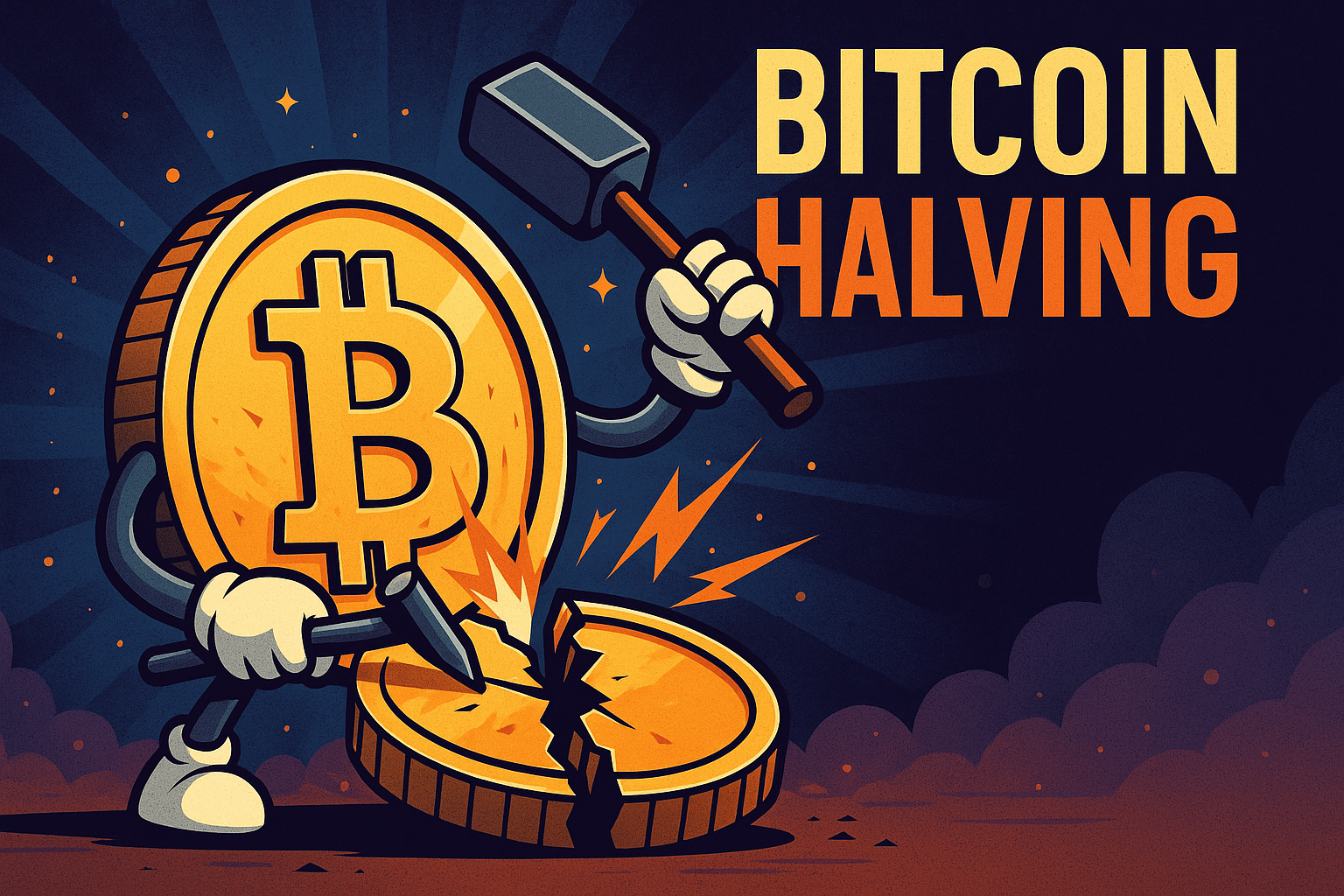
Every four years or so, the Bitcoin community holds its breath for one of the most anticipated events in crypto: the Bitcoin halving. It’s not a party, though it often sparks one in the market. It’s a built-in feature of Bitcoin’s code that cuts the mining rewards in half, tightening supply and sending shockwaves through the ecosystem. It sounds technical (and it is), but its impact on price, psychology, and long-term value has turned it into one of the most mythologized events in modern finance.
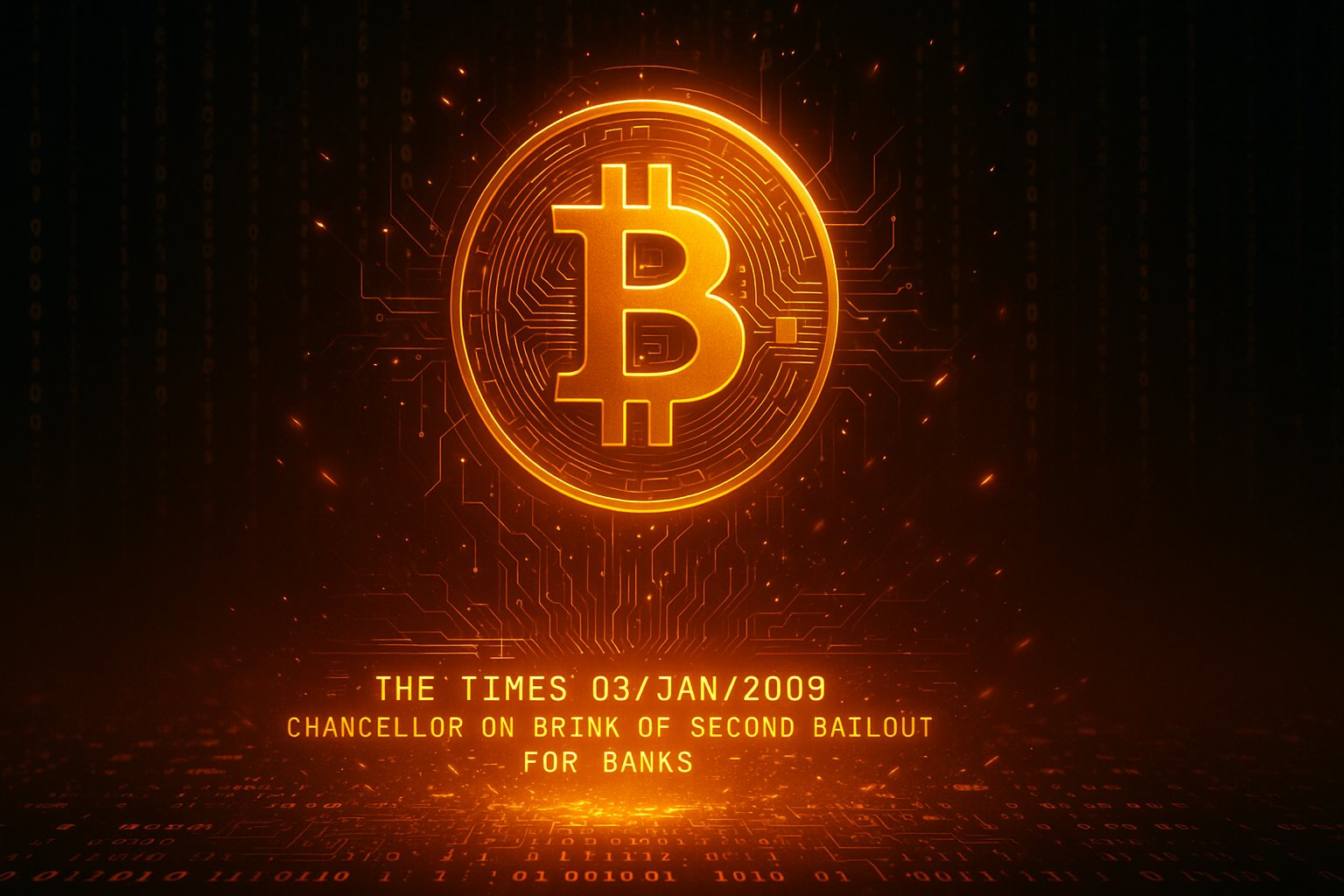
To understand the halving, you have to think like Satoshi Nakamoto – the mysterious creator who designed Bitcoin to behave like digital gold. When miners validate transactions, they’re rewarded with new bitcoins. In the early days, that reward was 50 BTC per block. But every 210,000 blocks – roughly every four years – that reward is sliced in half. First 50 became 25, then 12.5, then 6.25, and so on. The logic? To ensure Bitcoin’s total supply never exceeds 21 million. This built-in scarcity mimics how gold becomes harder to mine over time. Each halving makes new Bitcoin rarer, and in a market driven by supply and demand, rarity tends to matter a lot.
Historically, halvings have had a dramatic effect on the market. In the months following each one, Bitcoin’s price has often surged as investors anticipate scarcity. But it’s not just speculation – it’s psychology. When rewards shrink, miners earn less BTC, and many stop selling immediately to cover costs. This sudden dip in selling pressure, combined with increased attention, tends to push prices upward. It’s not magic; it’s economics in motion. Of course, markets are never perfectly predictable, but the pattern has repeated often enough to make each halving feel like the start of a new chapter in Bitcoin’s saga.
Yet, the halving isn’t just about price. It’s also about philosophy. It reinforces Bitcoin’s role as a deflationary asset – one that resists the endless money printing that plagues traditional currencies. In a world where governments can inject trillions into the economy at will, Bitcoin’s halving is a reminder that math, not politics, governs its supply. That predictability gives investors something rare: trust in the code itself. Every halving tells the same story – less new Bitcoin, greater scarcity, and a stronger case for long-term value.
Ultimately, Bitcoin’s halving is a kind of ritual – one that celebrates the balance between technology and economics. It changes everything not because of hype, but because it reaffirms what makes Bitcoin unique. Each event is a reset button for perspective, reminding the world that scarcity isn’t a bug – it’s the feature that defines the system. As the rewards shrink and the final 21 million BTC slowly come into existence, the question becomes less about what halving does to Bitcoin, and more about what Bitcoin continues to do to the world.