Key Takeaways
- Bitcoin is down about 25% over the past 6 months, while XRP has fallen roughly 46%.
- XRP’s use case is real, but its token demand remains uncertain.
- Bitcoin’s scale, history, and government backing make it more resilient during turmoil.
Every crypto investor eventually learns this lesson the hard way. When markets get nervous, not all cryptocurrencies fall equally. Some wobble. Others collapse.
The recent pullback has turned the spotlight back to Bitcoin vs XRP, a comparison that reveals how differently these assets behave when fear replaces optimism. With economic stress rising and investors shifting into defensive mode, the gap between Bitcoin and XRP is no longer subtle. It is structural. And that difference matters more now than ever.
Why This Market Feels Different for Crypto
This sell-off is not driven by hype cycles or meme rotations. It is driven by uncertainty. Higher interest rates, slowing job growth, and rising layoffs in 2025 have changed how investors think about risk.
Add geopolitical tension and questions around central bank independence, and the result is predictable. Capital moves toward safety. In crypto, that usually means fewer bets on speculative assets. This environment is shaping the current Bitcoin vs XRP divergence.
Bitcoin vs XRP: Price Damage Tells the Story
Price action often reflects investor psychology better than headlines. Over the past six months, the numbers paint a clear picture.
Bitcoin has dropped roughly 25% from recent highs. XRP has fallen close to 46% over the same period. That gap is not random. It shows how investors rank risk inside the crypto market itself.
When conditions tighten, Bitcoin is often treated as the last asset investors sell. XRP is usually sold earlier. This pattern has repeated across multiple market cycles and is playing out again in the current Bitcoin vs XRP setup.
Bitcoin vs XRP Comparison Table
| Metric | Bitcoin (BTC) | XRP |
| Six-Month Price Change | ~25% decline | ~46% decline |
| Market Role | Digital gold, store of value | Payments-focused token |
| Volatility Profile | Lower relative volatility | Higher volatility |
| Token Necessity | Required to use the network | Not always required on Ripple |
| Government Holdings | Held by multiple governments | No confirmed sovereign reserves |
| Investor Perception | Defensive crypto asset | Speculative altcoin |
This table highlights why capital behaves differently when fear rises. The Bitcoin vs XRP contrast is not about popularity. It is about trust and staying power.
XRP’s Strength Is Also Its Weakness
XRP’s pitch is simple and compelling. Faster cross-border payments, lower costs, and real-world financial use cases. That narrative has helped XRP gain attention and even ETF exposure.
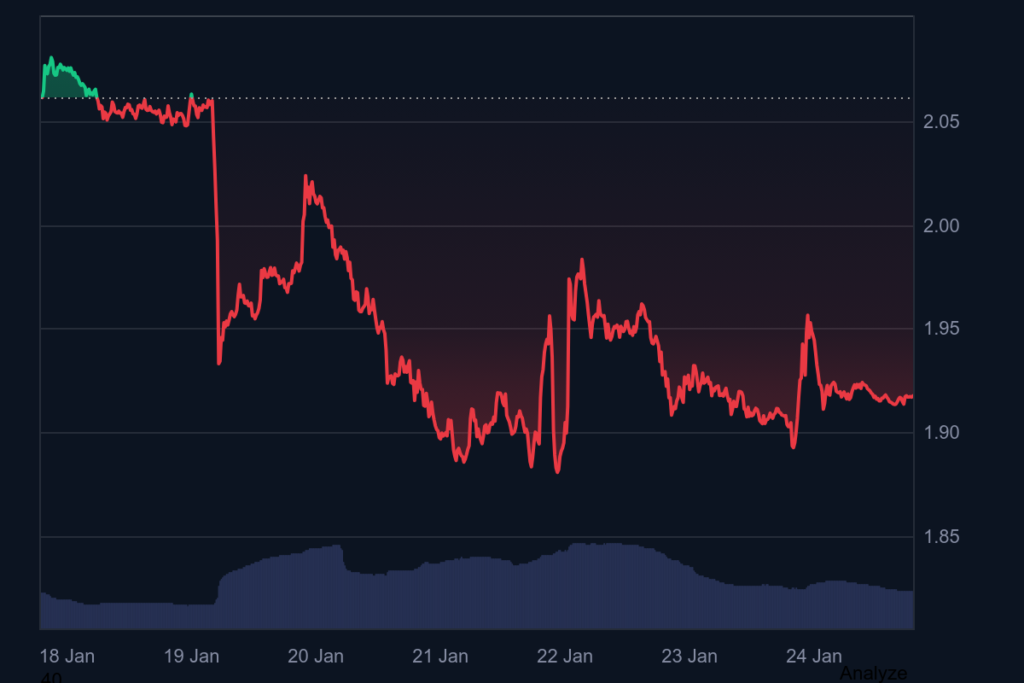
The problem is demand mechanics. XRP is not strictly required to move value on Ripple’s network. Fiat currencies and stablecoins can also do the job. For investors, that creates uncertainty around long-term token utility and sustained demand. In calm markets, this concern fades. In volatile markets, it becomes a reason to sell. This tension defines XRP’s role in the Bitcoin vs XRP debate.
Why Bitcoin Absorbs Shocks Better
Bitcoin does not promise speed or efficiency. It promises resilience. Over the past decade, Bitcoin has endured deep crashes, regulatory threats, and public skepticism. Each time, it survived.
That history shapes behavior. Long-term holders are more likely to hold through drawdowns. Institutions are more comfortable allocating capital. Liquidity remains deep even during stress. These factors reduce panic selling and explain why Bitcoin consistently outperforms during downturns in the Bitcoin vs XRP comparison.
Government Adoption Changes the Equation
Bitcoin’s evolution from outsider asset to strategic reserve is one of the most underappreciated shifts in crypto. The United States now holds Bitcoin through a Strategic Bitcoin Reserve. Other governments, including China and the United Kingdom, control large Bitcoin stockpiles.
This does not eliminate volatility. But it anchors Bitcoin within the global financial system in a way XRP has not achieved. Sovereign involvement adds credibility and reinforces Bitcoin’s defensive role in uncertain times. It is a key reason Bitcoin continues to lead the Bitcoin vs XRP discussion.
Final Thoughts: Bitcoin vs XRP Is a Test of Risk Discipline
The real lesson from Bitcoin vs XRP is not about technology. It is about behavior. When markets feel safe, investors chase growth. When markets feel fragile, they protect capital.
XRP may still deliver strong returns if adoption accelerates. But in periods of uncertainty, Bitcoin remains the asset investors trust to survive first and recover sooner. For anyone navigating volatile markets, understanding that distinction is not optional. It is essential.
Frequently Asked Questions
Why is Bitcoin falling less than XRP?
Bitcoin has deeper liquidity, stronger long-term holders, and broader institutional and government support, which reduces selling pressure.
Is XRP more risky than Bitcoin?
Yes. XRP is generally more volatile and more sensitive to changes in investor sentiment than Bitcoin.
Does XRP still have a future?
XRP has valid payment use cases, but its long-term value depends on sustained token demand and broader adoption.
Can Bitcoin still drop further?
Yes. Bitcoin remains volatile and could decline further if macro uncertainty continues.
Which is better for long-term investors, Bitcoin or XRP?
Bitcoin is often preferred for long-term risk-adjusted exposure, while XRP is viewed as a higher-risk speculative play.