In an age where investors can buy tokenized gold, fractional stocks, and digital currencies that trade 24/7, the idea of stacking physical silver, actual bars and coins, can sound downright old-fashioned. Yet, walk into any bullion dealer or browse a precious metals forum, and you’ll find people still passionately filling safes and shoeboxes with silver. Why? Because in 2025, physical silver remains one of the few tangible assets that bridges the gap between the traditional and the modern, a blend of old-world security and future-facing potential.
One of the main reasons physical silver still appeals to investors is control. Unlike paper assets or digital tokens, silver in hand belongs entirely to its holder. There’s no counterparty risk, no passwords to forget, and no dependence on banks or brokers. In an increasingly digital financial system where everything seems abstract, the weight of a silver coin offers something rare, a sense of certainty. When markets get shaky or inflation eats away at savings, physical silver becomes more than an investment; it’s reassurance you can hold.
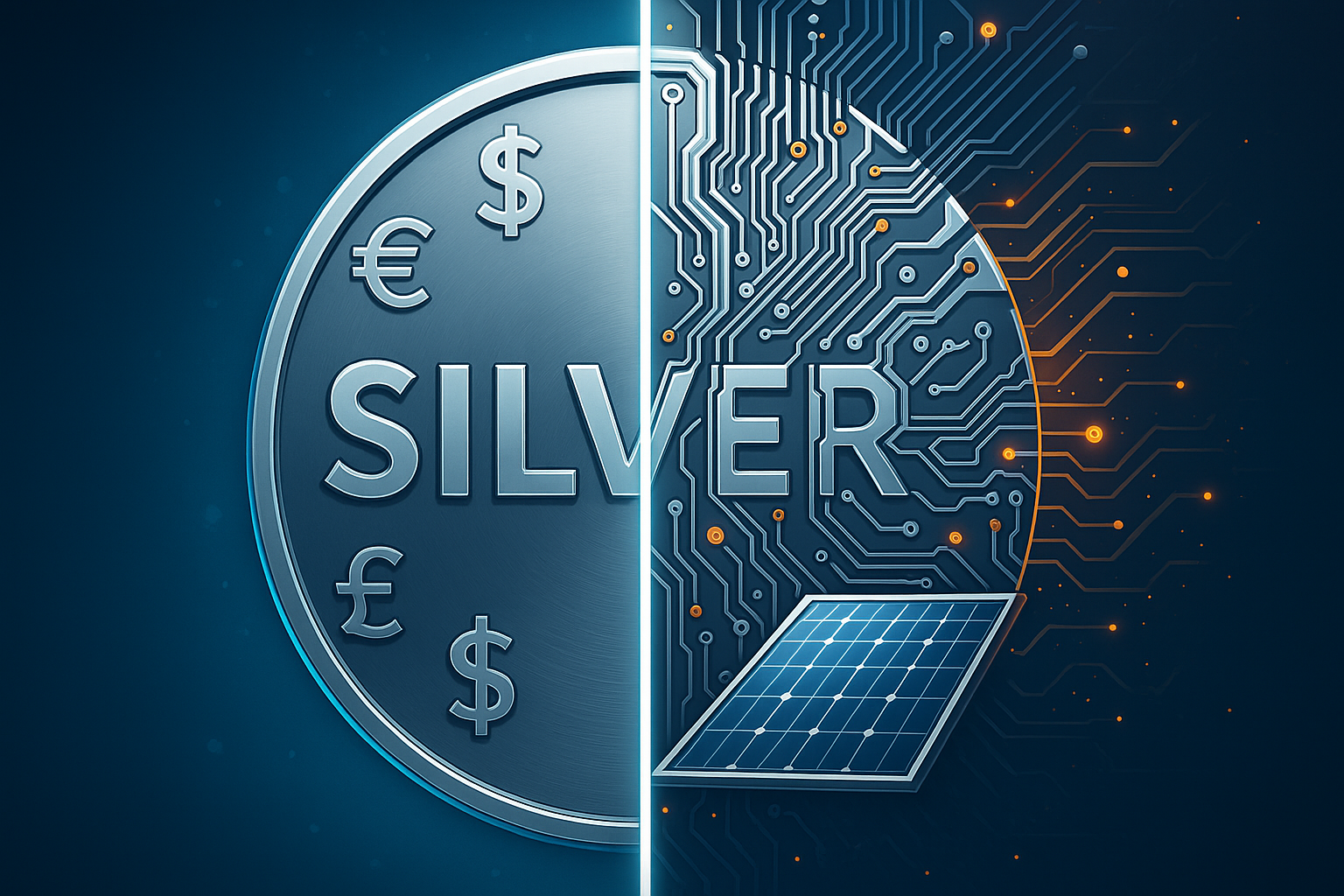
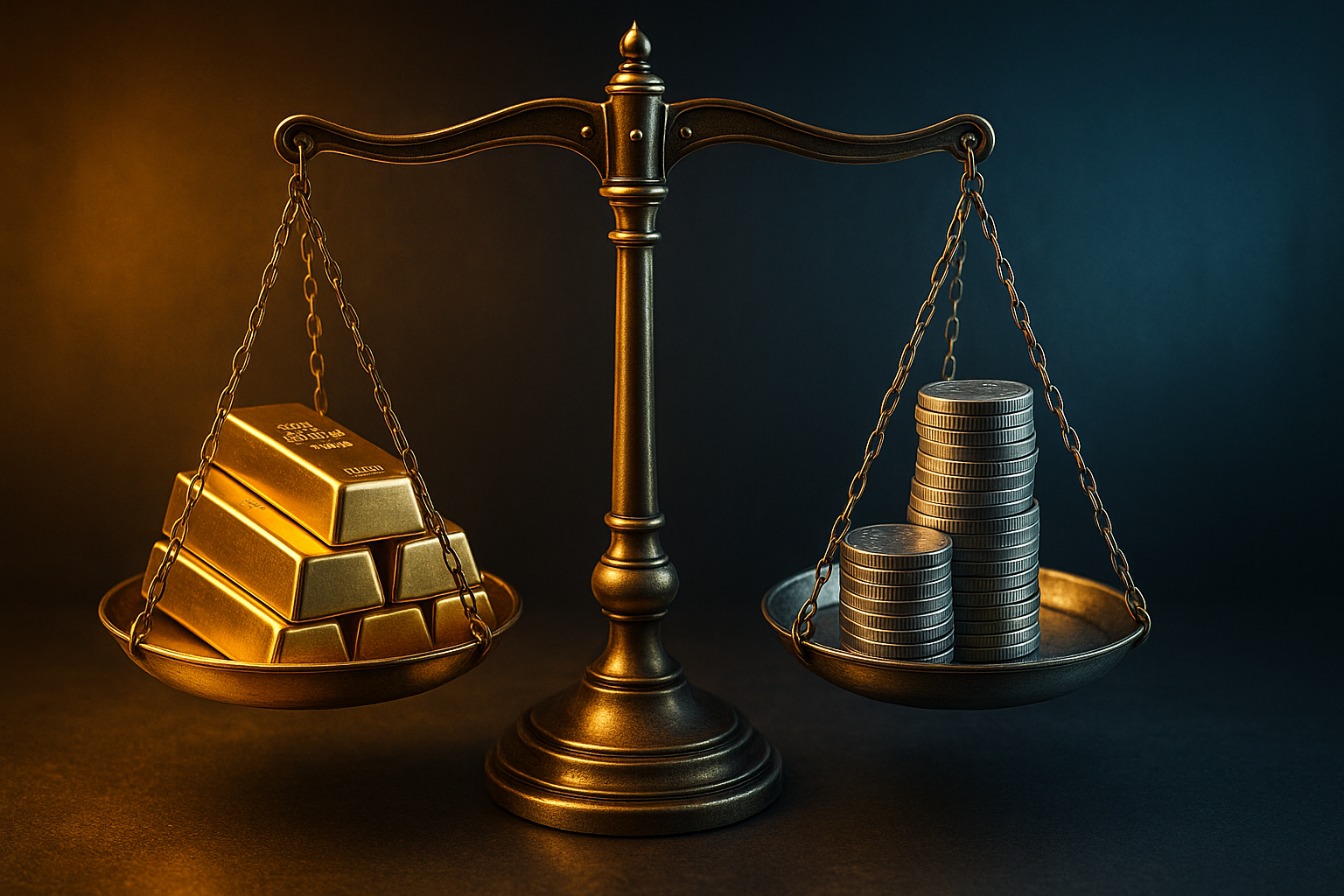
Then there’s the argument of undervaluation. Historically, silver has traded far below gold, both in price and attention. Yet it shares many of gold’s qualities, scarcity, beauty, and resilience, while adding industrial utility. As demand for silver grows in sectors like solar energy, electric vehicles, and electronics, the metal’s long-term fundamentals look strong. Investors who buy physical silver today aren’t just betting on its monetary value; they’re betting on its practical necessity in the world’s shift toward cleaner, smarter technologies.
Of course, buying physical silver isn’t without challenges. Storage and liquidity are key considerations. Storing bars and coins safely requires space, security, and sometimes insurance. Selling them can also take longer than clicking a button on a trading app. Premiums over the spot price can eat into profits, especially during times of high demand. But for many investors, these inconveniences are part of the appeal, the cost of independence in a financial world increasingly reliant on intermediaries and screens.
So, is physical silver still worth buying in 2025? Absolutely, but for the right reasons. It’s not a get-rich-quick asset; it’s a long-term safeguard, a tangible hedge against uncertainty, and a piece of the global energy transition story. Whether you stack a few ounces or build a vault, physical silver offers something few modern investments can: a timeless connection to real value. In a digital economy full of virtual promises, owning something that doesn’t require Wi-Fi to prove its worth might just be the smartest move of all.