When financial markets start behaving like a roller coaster designed by a sleep-deprived engineer, one pattern almost always repeats: investors run back to gold. It’s the financial equivalent of comfort food, steady, familiar, and reassuring when everything else feels like it’s falling apart. From ancient civilizations to modern trading floors, gold has been the go-to safe haven during economic storms. But what makes this shiny metal inspire such confidence, even in an age of digital finance and algorithmic trading?
The answer begins with trust. Gold doesn’t rely on corporate earnings, central bank policy, or internet connections. It’s a physical asset that exists outside the world of balance sheets and passwords. When stock markets crumble, currencies wobble, or governments print money like confetti, gold simply sits there, unchanged, unyielding, and immune to human panic. It’s this timeless reliability that makes investors turn to it when paper wealth starts looking fragile. Gold doesn’t promise high returns; it promises endurance, and in times of uncertainty, that’s worth its weight, literally.
Historically, gold has shined brightest during crises. Whether it’s inflation, war, recessions, or pandemics, the pattern is the same: when fear rises, so does demand for gold. During inflationary periods, it protects purchasing power; during deflation, it provides stability. It’s not that gold magically gains value, it’s that everything else loses it. Investors treat gold as a form of financial insurance, one that doesn’t depend on counterparty trust. No CEO can mismanage it, no central bank can dilute it, and no algorithm can rewrite its scarcity.
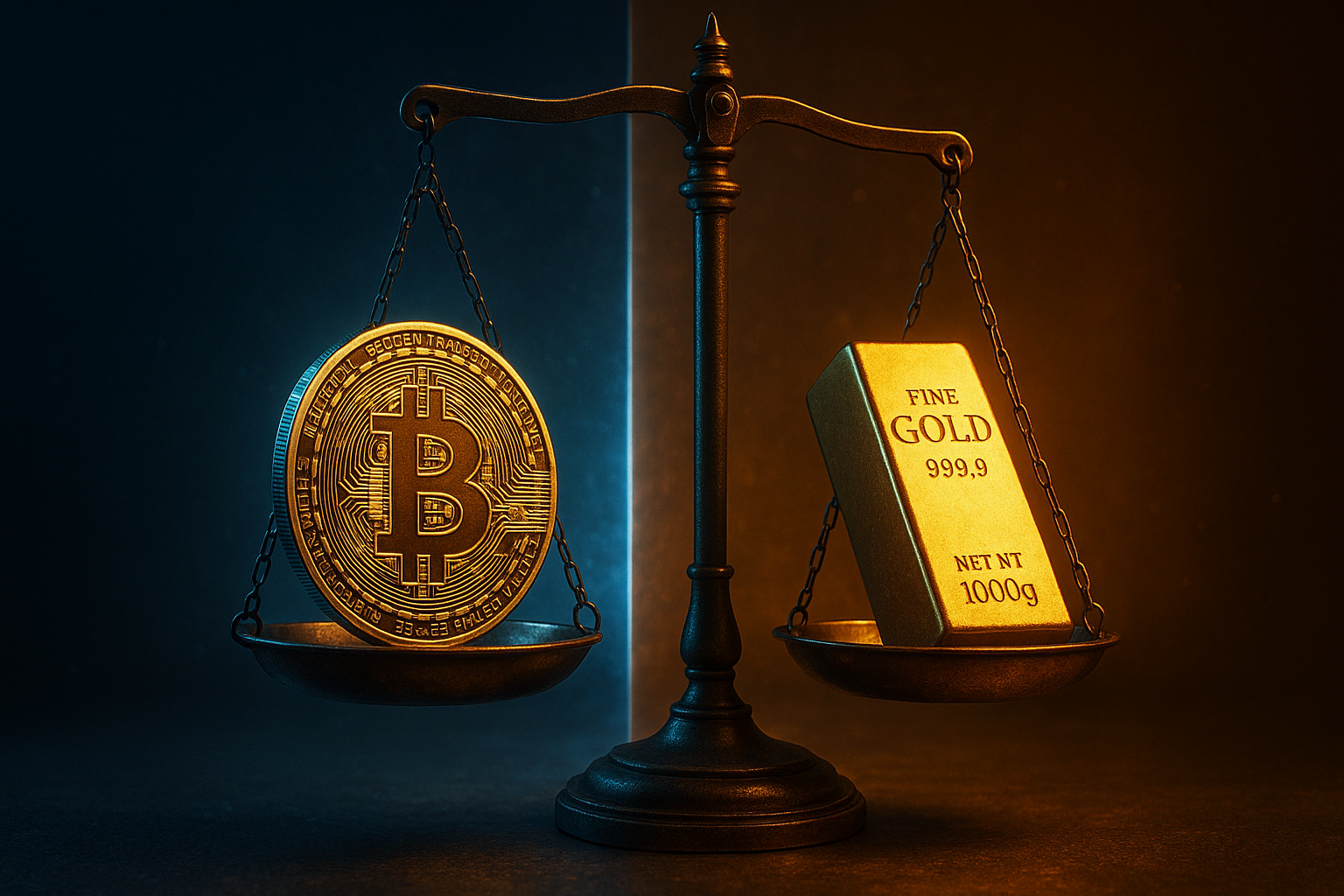
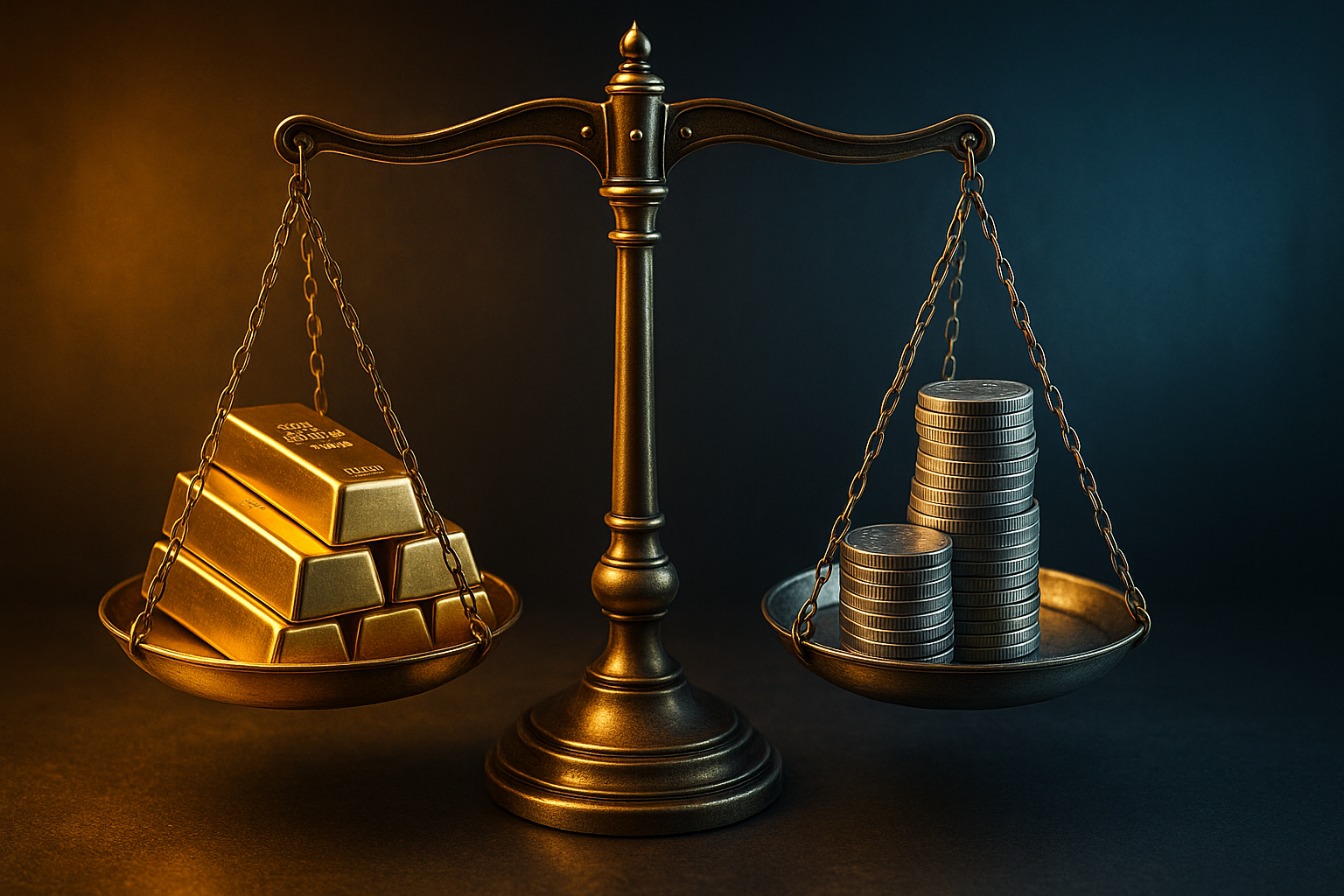
But it’s not all emotional, there’s logic behind the glitter. Gold acts as a diversifier. It often moves independently from stocks and bonds, balancing portfolios when traditional assets stumble. Institutional investors and central banks hold gold precisely because it behaves differently, it’s the anchor that keeps the ship from drifting too far in a storm. In extreme cases, it even becomes a currency of last resort, accepted globally regardless of politics or borders. That universality gives it a psychological edge over newer assets, even Bitcoin, when panic sets in.
In the end, investors turn to gold not because it’s flashy or futuristic, but because it represents something rare in finance, certainty. It doesn’t default, it doesn’t crash overnight, and it doesn’t depend on faith in systems that often prove fragile. In calm markets, gold can seem boring; in chaos, it feels like a lifeline. The next time volatility hits and red charts dominate the news, don’t be surprised when investors flock back to their old friend. Gold doesn’t offer excitement, it offers peace of mind, and in a crisis, that’s the most valuable asset of all.