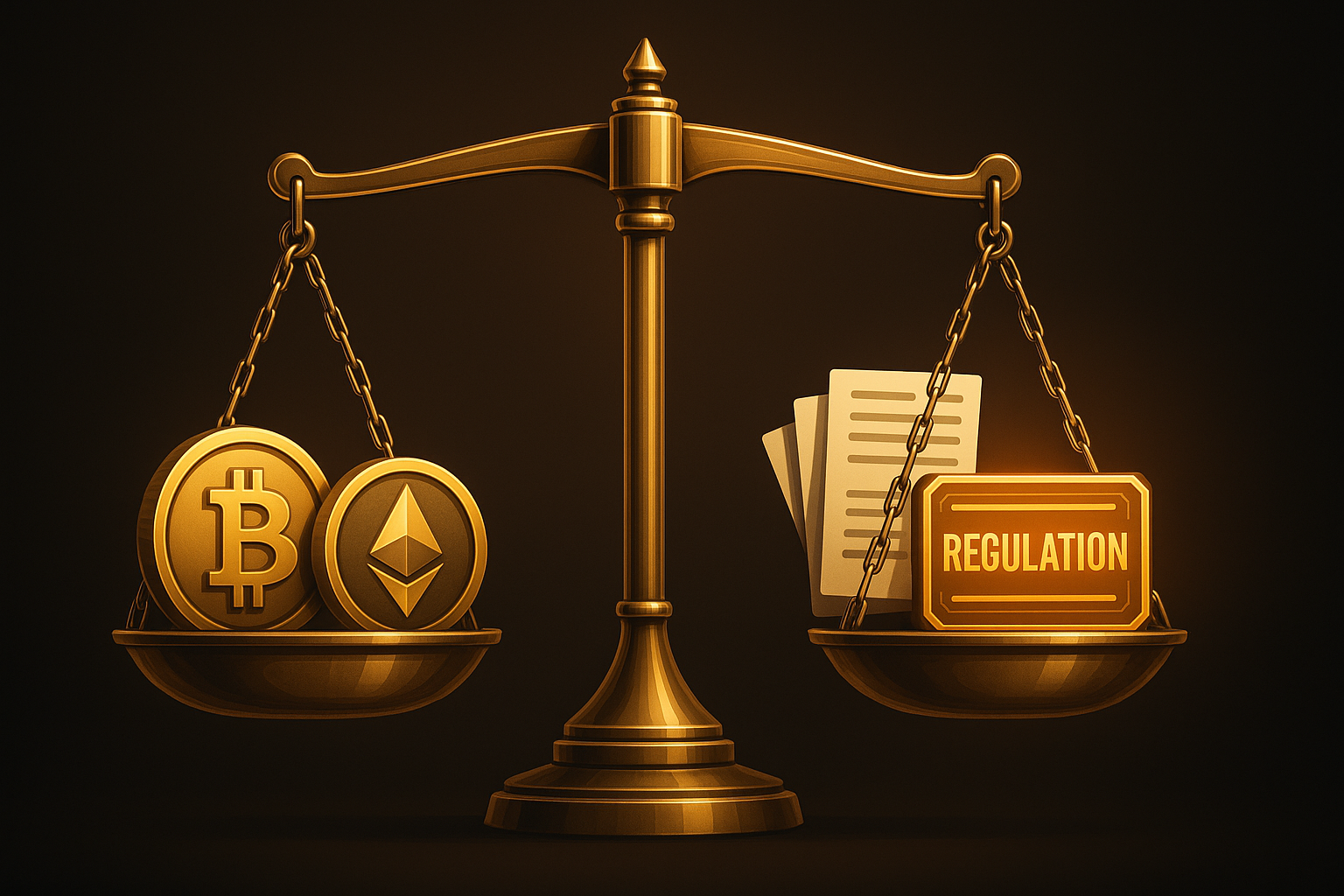
For years, the word regulation has made crypto enthusiasts cringe, a kind of boogeyman threatening the freedom and innovation that defined the space. After all, Bitcoin was born out of rebellion, a reaction to the failures of centralized finance. So, the idea of governments stepping in feels, at first glance, like the opposite of progress. But here’s the twist: regulation might actually be the best thing that could happen to the crypto market. Not because it tames the wild west, but because it legitimizes it.
The first reason is simple, trust. Regulation brings credibility. For many outsiders, crypto still feels like a casino: unpredictable, unregulated, and full of bad actors. Every major scandal, from exchange collapses to meme coin scams, shakes public confidence. Sensible rules can separate the serious builders from the opportunists. Clear guidelines for exchanges, custody, and transparency don’t just protect consumers; they attract institutions. Pension funds, asset managers, and Fortune 500 companies can’t touch an industry without legal clarity. Regulation doesn’t chase away the big players, it invites them in.
Second, regulation helps create standards. Imagine trying to run a global business where no one agrees on definitions, what’s a security, what’s a commodity, what’s a stablecoin? That’s been crypto’s reality for years. Rules, when done right, create predictability. Developers can innovate without fear of sudden crackdowns, investors can assess risk with confidence, and governments can collect taxes without panic. Everyone wins, except the fraudsters who thrive in the gray zones. In that sense, regulation doesn’t restrict innovation; it gives it structure.
Third, regulation could unlock mainstream adoption. The average person doesn’t want to worry about private keys, scams, or tax nightmares, they want crypto products that feel as safe and user-friendly as traditional banking apps. With proper oversight, the market can build bridges between decentralized finance and the regulated financial world. Crypto debit cards, tokenized assets, and on-chain savings accounts can flourish when people trust the rails they run on. The result? More users, more liquidity, and more legitimacy.
Of course, not all regulation is good regulation. Heavy-handed rules could stifle startups or push innovation offshore. But the industry has matured enough to understand that complete freedom isn’t sustainable, cooperation is. Forward-thinking jurisdictions are already proving that you can regulate without suffocating, by crafting frameworks that protect users while encouraging experimentation. That’s the sweet spot every major crypto hub is racing toward.
In the end, regulation isn’t crypto’s enemy, it’s its rite of passage. The internet didn’t reach mass adoption until governments figured out how to regulate it sensibly. Crypto is following the same path. The pioneers who feared oversight will one day thank it for turning their niche experiment into a global financial revolution. Because once the rules are clear, the only thing left to argue about will be who builds the best system within them, and that’s when the real innovation begins.