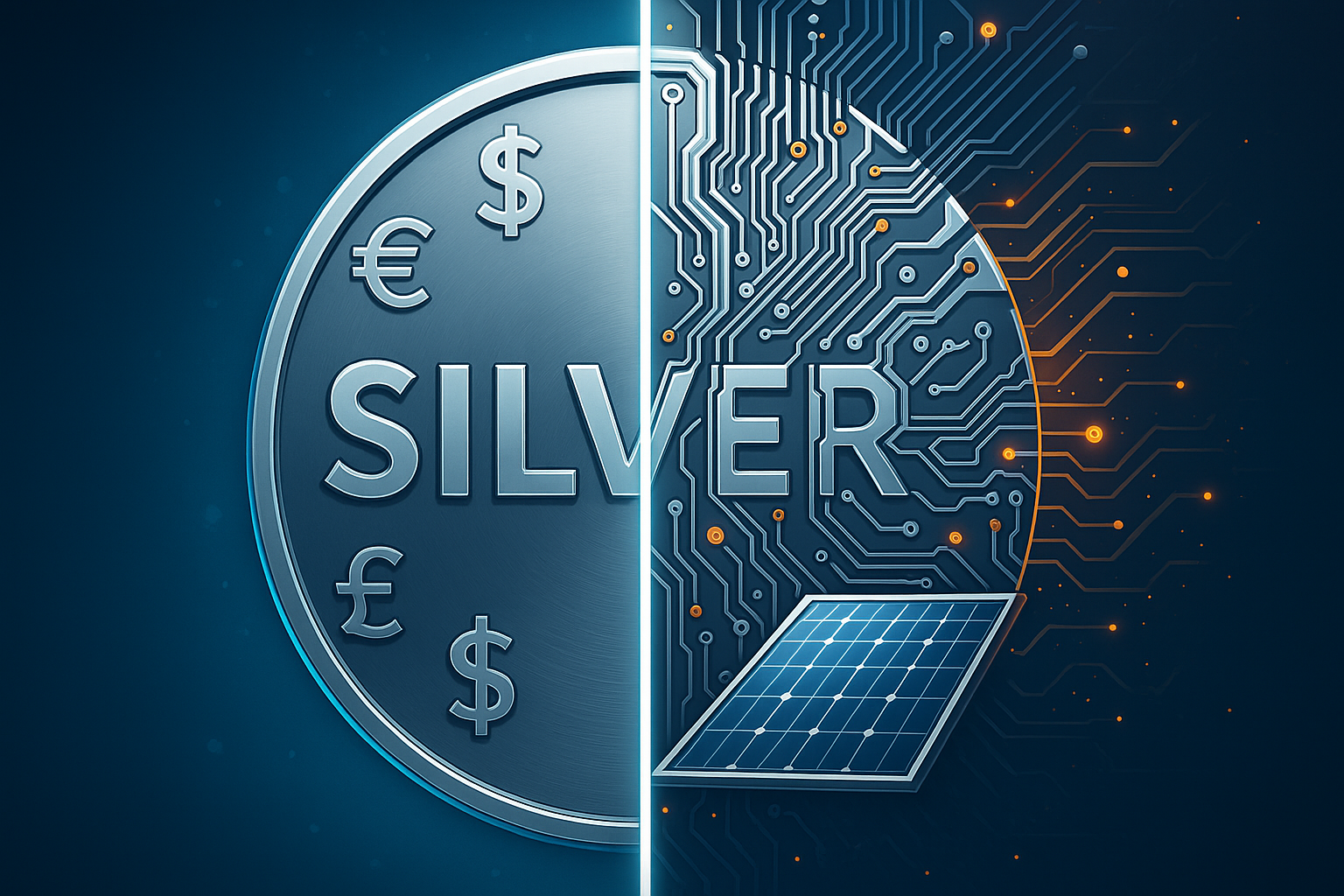
Silver has always been a bit of a financial chameleon, part precious metal, part industrial necessity. That dual identity means its price reacts to the world’s economic mood in a way few other assets do. When inflation starts roaring, silver often shines. When recession fears creep in, its sparkle dims… at least temporarily. Understanding how silver behaves in these two very different environments reveals why it remains both fascinating and frustrating for investors.
Let’s start with inflation. When the cost of living rises and paper currencies lose purchasing power, investors instinctively look for assets that hold real, tangible value. Silver, like gold, fits that bill. It can’t be printed, devalued, or inflated away. In high-inflation environments, silver prices often rise because it’s seen as a hedge, a safe place to store wealth while the value of money melts. But silver’s edge over gold comes from its accessibility. It’s cheaper per ounce, which means retail investors can buy more of it, turning inflation anxiety into real demand. Historically, silver has surged during periods when investors fear central banks are losing control of prices.
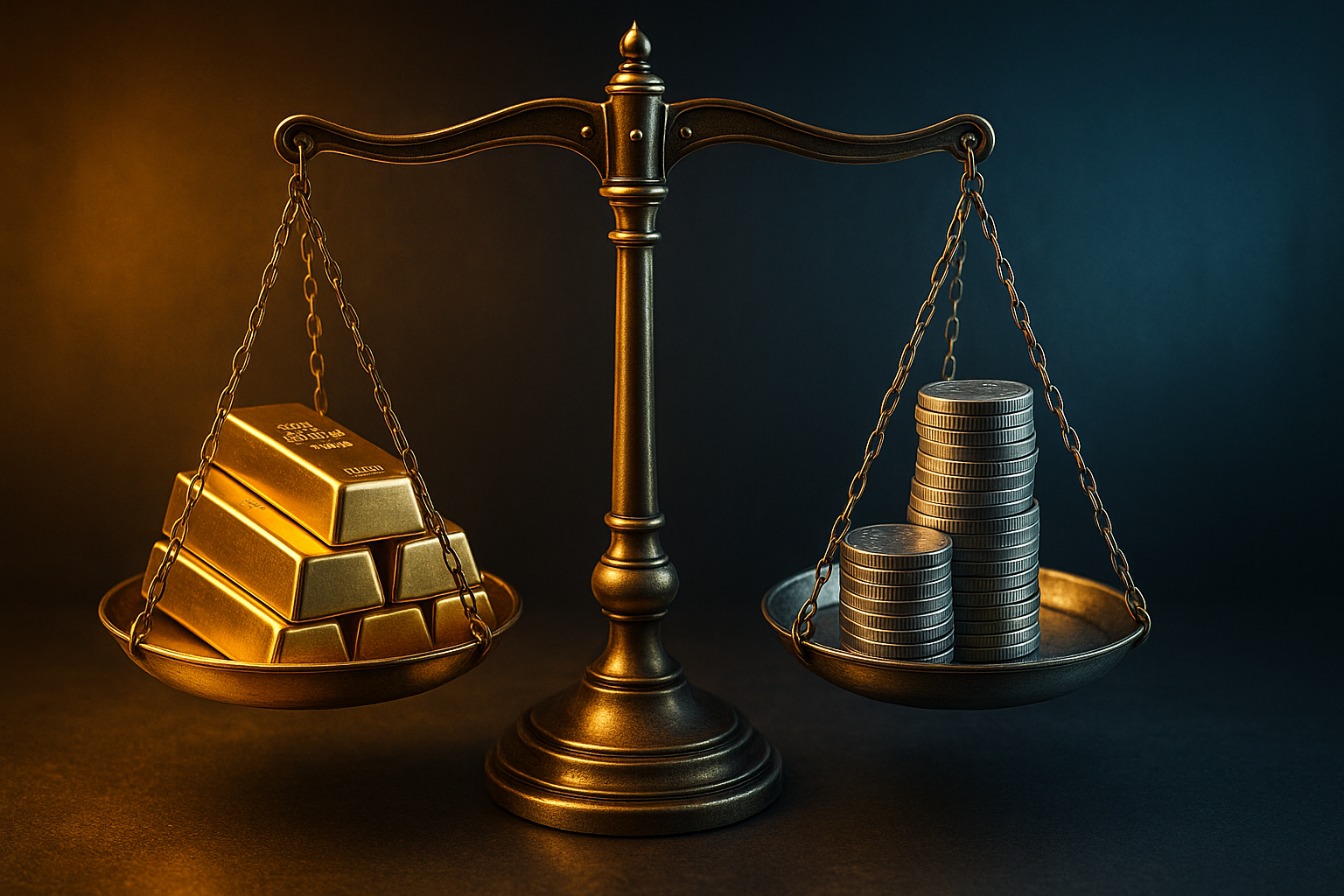
However, the story changes when recession fears enter the picture. During economic slowdowns, industrial demand for silver, which makes up a huge part of its use, tends to drop. Silver isn’t just a store of value; it’s a key ingredient in everything from solar panels and smartphones to medical equipment. When factories slow production or consumers cut back on spending, the industrial side of silver takes a hit. As a result, silver prices can fall even as gold rises, since gold thrives purely on fear, while silver still depends on function.
The tug-of-war between these forces makes silver’s behavior unique. In early inflation phases, when optimism and economic activity are still strong, both industrial demand and safe-haven buying can push silver higher. But in deep recessions, when growth grinds to a halt, silver’s industrial weakness can outweigh its inflation-hedge status. Investors then shift toward gold for stability, leaving silver to lag until recovery expectations return. It’s a metal that loves healthy uncertainty, but not full-blown panic.
In the long run, though, silver’s ability to balance these two identities, as both a hedge and a workhorse, is what keeps it relevant. It’s not as steady as gold, nor as volatile as copper, but somewhere in between: a bridge between the financial world and the real one. Inflation may make it glitter, and recessions may make it stumble, but silver always finds its footing when the cycle turns again. After all, it’s not just a precious metal, it’s an economic mirror, reflecting the world’s shifting balance between fear and recovery.