If you’ve ever wondered where new Bitcoin actually comes from, it’s created by powerful computers competing to verify transactions. Mining is how Bitcoin stays alive and fair. It’s the heartbeat that keeps the network honest, one block at a time.
Here’s how it works. Every time someone sends Bitcoin, that transaction needs to be verified. Instead of a central company doing it, thousands of miners around the world compete to check and confirm it. Think of them as digital accountants solving a puzzle. The puzzle isn’t complex in theory, but it takes a massive amount of computing power to crack. The first miner who solves it adds a new block of transactions to the blockchain and earns a reward for doing the work.
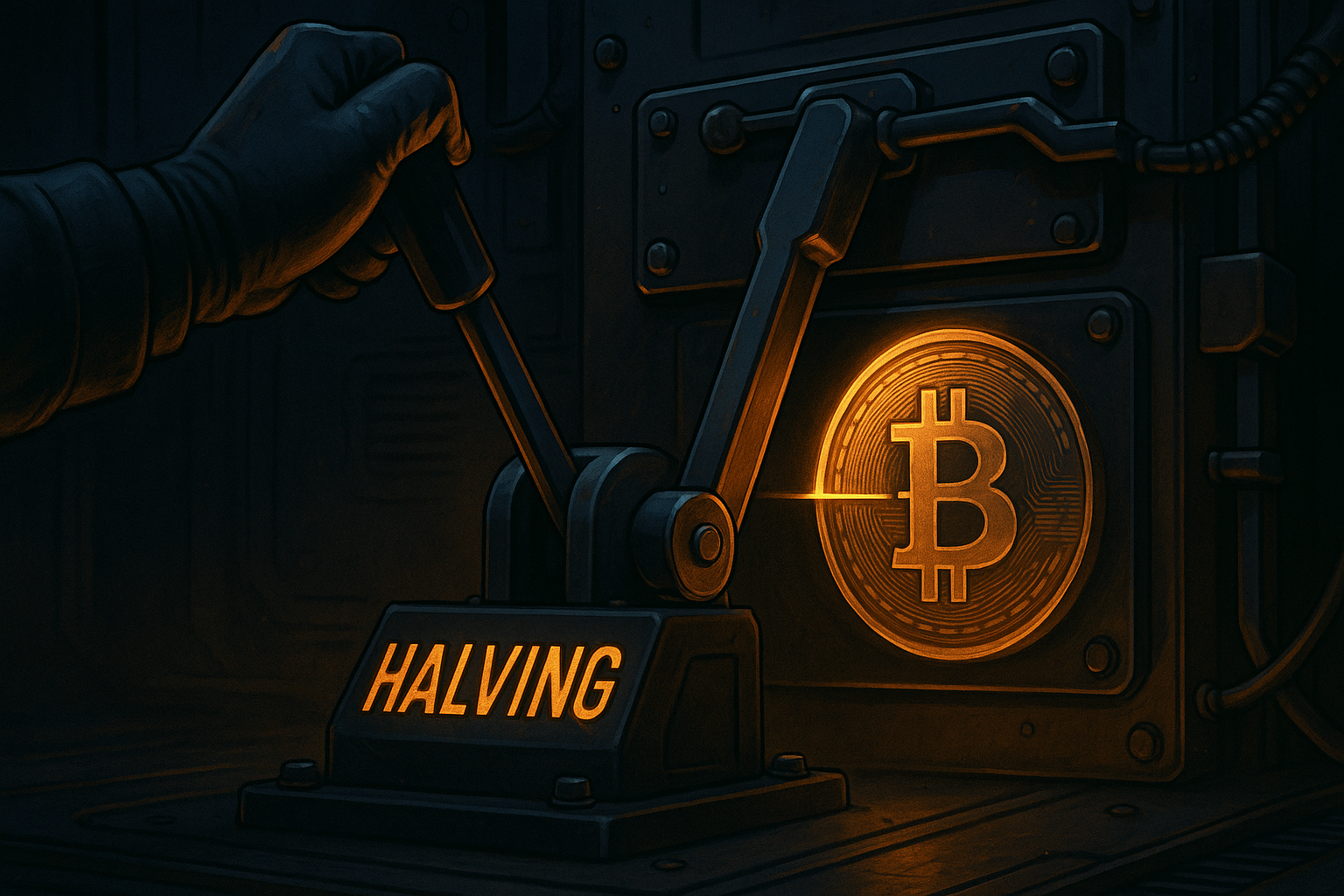
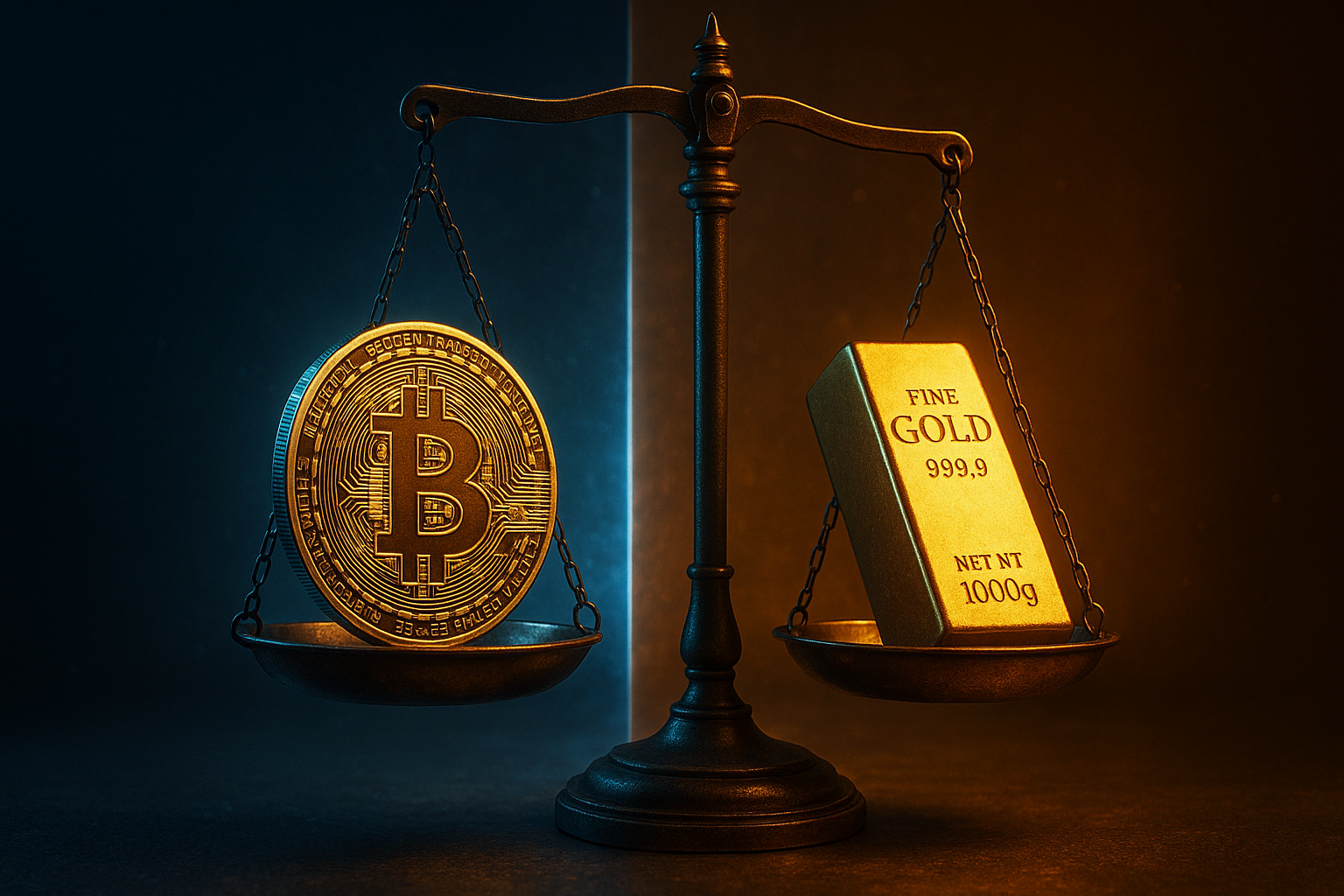
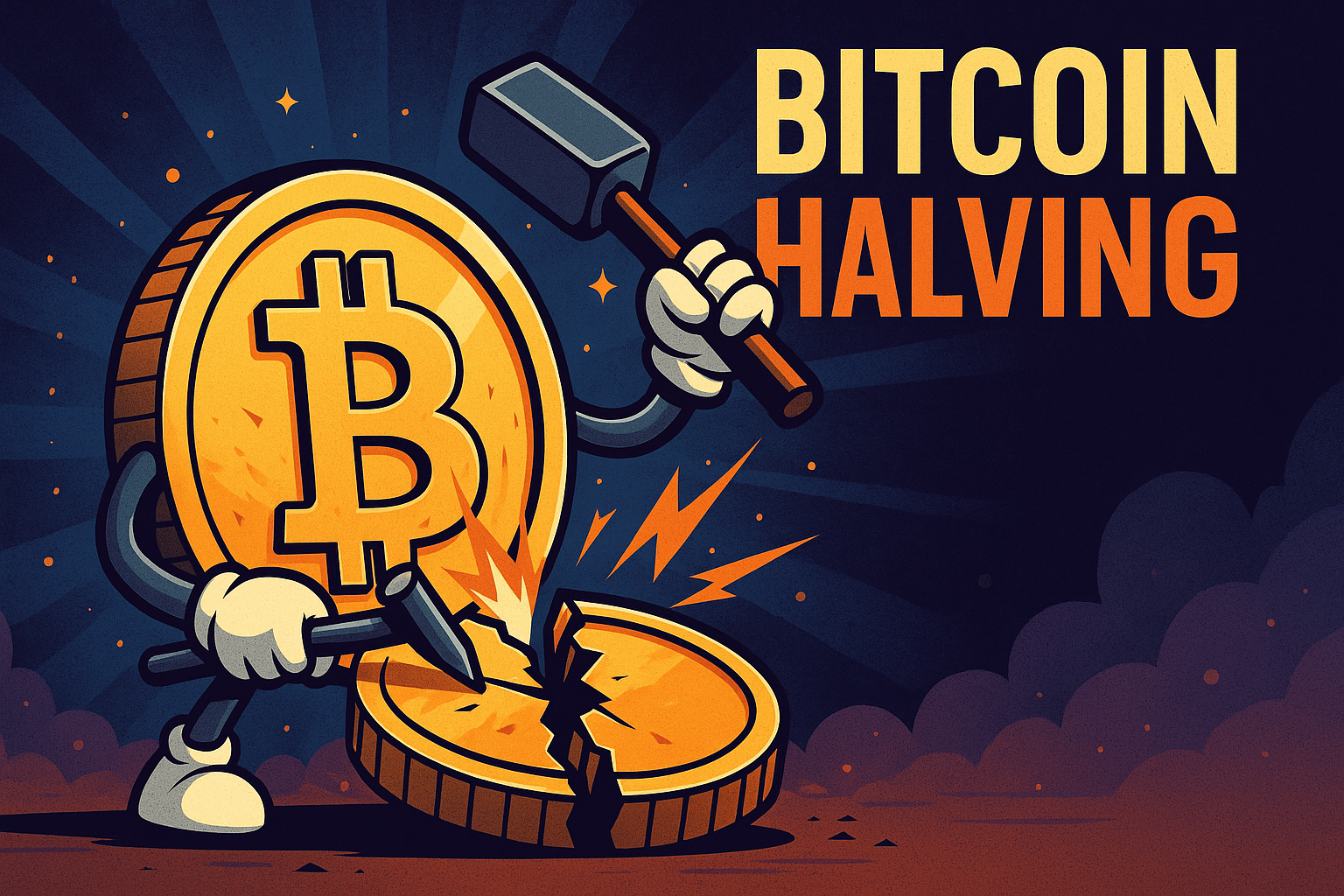
That reward is what motivates miners. They receive newly minted Bitcoin plus transaction fees paid by users. It’s how new Bitcoin enters circulation. But there’s a twist: the reward gets smaller over time. Every four years, a programmed event called the halving cuts the payout in half. This keeps supply limited and makes Bitcoin scarcer as the years pass. It’s part of what gives Bitcoin its reputation as “digital gold.”
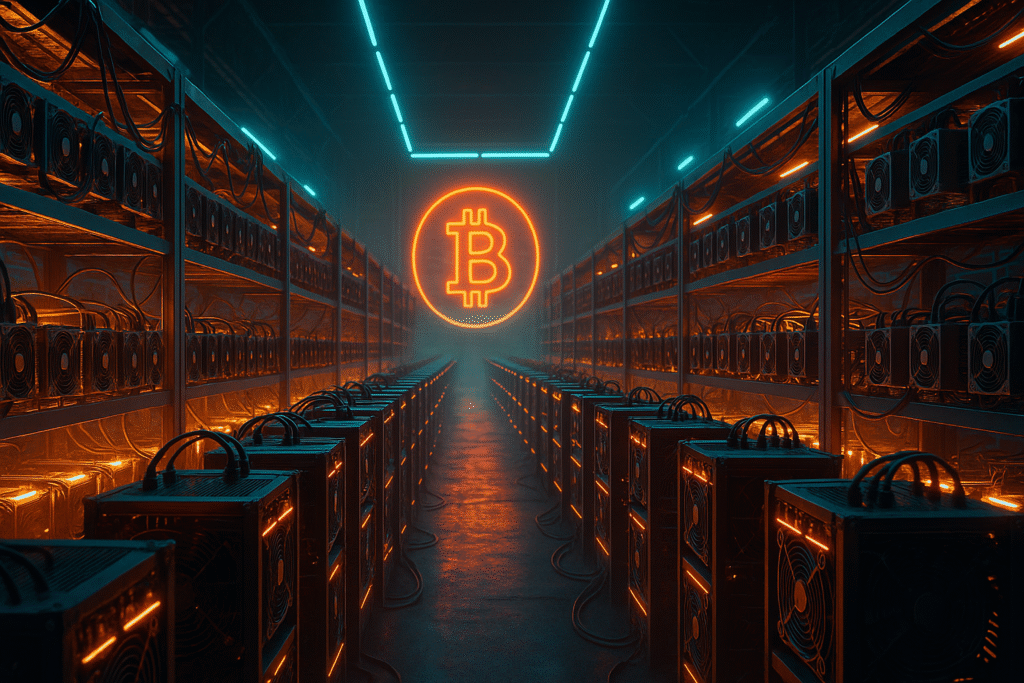
Now, miners don’t use regular computers anymore. The early days of mining on laptops are long gone. Today, they rely on powerful machines called ASICs that do one thing extremely well – guess numbers at lightning speed. These rigs run nonstop, burning electricity as they compete against miners across the world. Since it’s expensive, many miners team up in “mining pools,” combining their computing power and sharing rewards based on contribution.
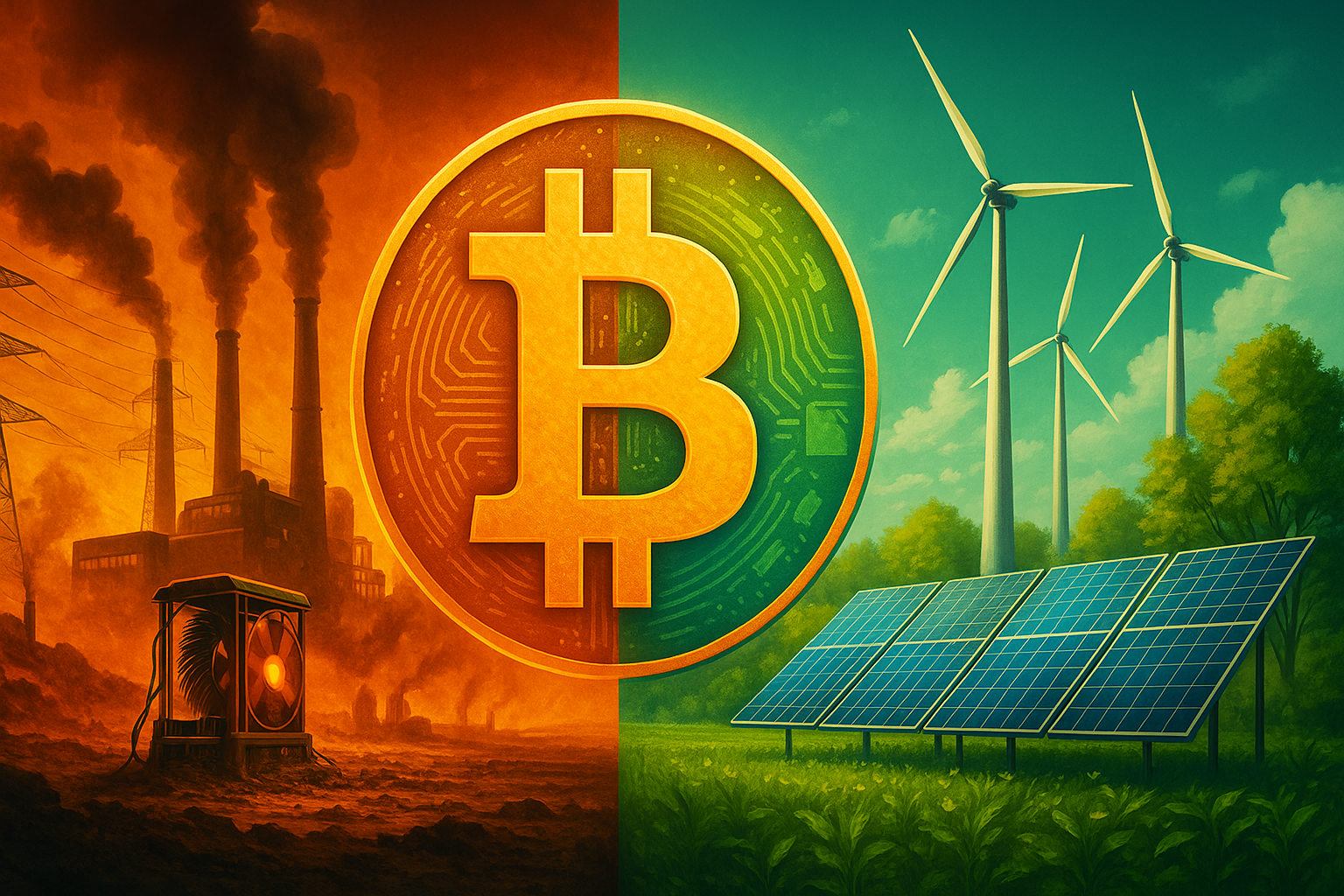
Electricity costs can make or break profitability. That’s why big mining farms often move to regions with cheap power or renewable energy, places like Texas, Iceland, or parts of Central Asia. Efficiency matters more than ever because competition keeps getting tougher with each halving. The better the energy deal, the longer a miner can stay in the game.
In short, Bitcoin mining is a mix of math, machinery, and motivation. It verifies every transaction, releases new coins, and protects the system from fraud, all without needing a single central authority. It’s not just computers crunching numbers; it’s a decentralized network of people and machines working together to keep Bitcoin running the way it was meant to, transparent, fair, and independent.