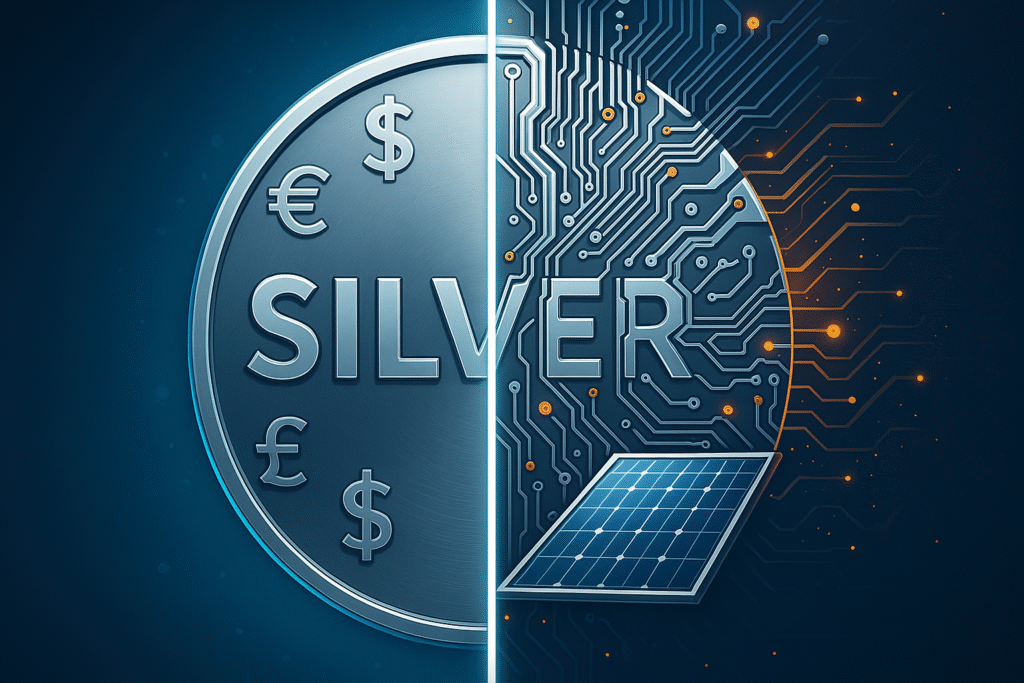
Silver has always had a bit of an identity crisis – part precious metal, part industrial workhorse. One moment, it’s glittering in jewelry stores and investor portfolios; the next, it’s hard at work inside solar panels, electric vehicles, and medical equipment. While gold tends to bask in the spotlight as the ultimate store of value, silver quietly straddles two worlds, offering both the shine of wealth and the substance of utility. That dual nature is what makes it one of the most fascinating – and misunderstood – assets in the global economy.
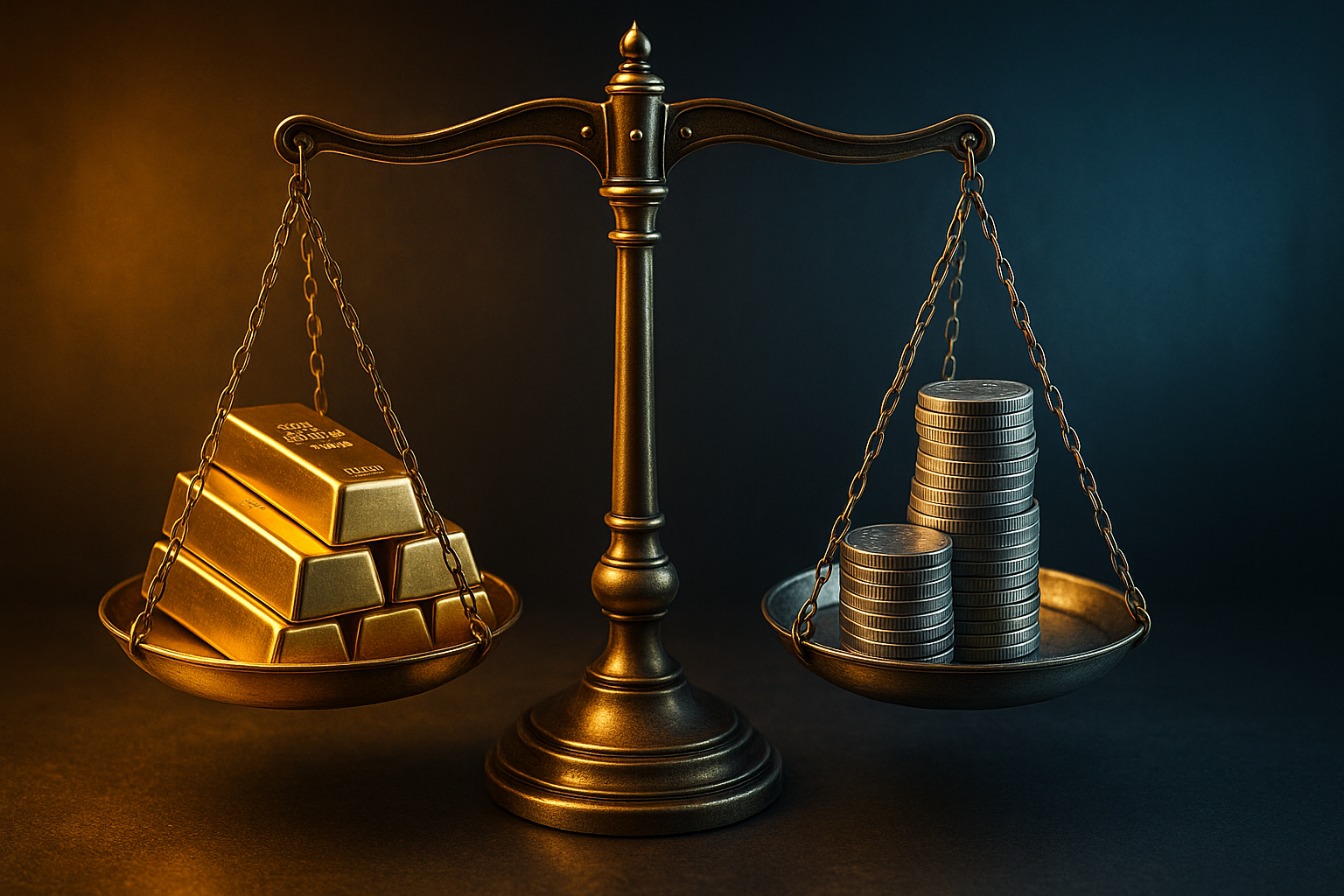
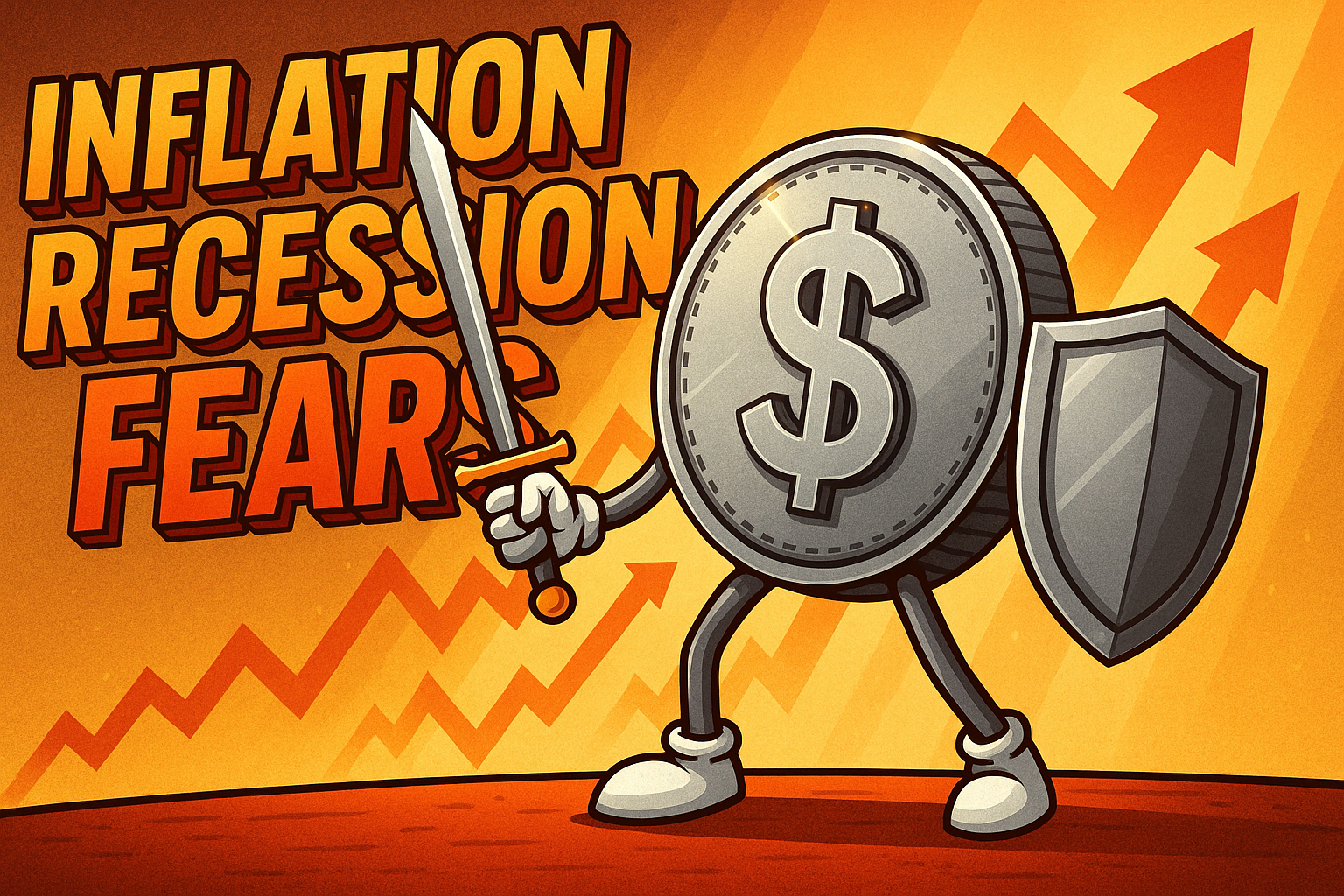
On one hand, silver behaves like a classic investment metal. Investors turn to it as a hedge against inflation and currency debasement, much like gold. It has a long history of being used as money – the word “silver” itself appears in countless ancient currencies – and it still carries that aura of tangible, intrinsic worth. When economic uncertainty rises, demand for physical silver coins and bars tends to surge. It’s the affordable sibling of gold, offering a similar sense of security at a fraction of the price. For many retail investors, silver is the entry point into the precious metals world.
But silver’s story doesn’t end in vaults and safes. Its industrial role is where things get really interesting. Silver is an exceptional conductor of electricity and heat, making it indispensable in modern technology. It’s used in everything from smartphones and solar panels to electric vehicles and medical instruments. As the world shifts toward renewable energy and digital infrastructure, demand for industrial silver is climbing. In fact, its performance often correlates as much with industrial growth as with investor sentiment – a rare trait in the commodities world.
This dual identity can make silver’s price movements unpredictable. When investors are optimistic about technology and clean energy, industrial demand pushes prices up. When markets fear recession or inflation, investor demand does the same. But when both sides cool off – say, during an economic slowdown – silver can lag behind its shinier cousin, gold. That tug-of-war between utility and sentiment keeps traders guessing and analysts humble. It’s a metal that wears two hats, and both fit equally well.
In the end, silver’s true strength lies in its versatility. It’s both a mirror reflecting human innovation and a relic of financial tradition. Investors who understand that duality can appreciate silver not just for what it is, but for what it does. It’s tangible wealth that powers technology, a bridge between the old economy and the new one. Whether shining in coins or circuits, silver’s role in shaping – and storing – value remains as vital as ever. In a world of extremes, silver’s balance between beauty and utility makes it quietly indispensable.