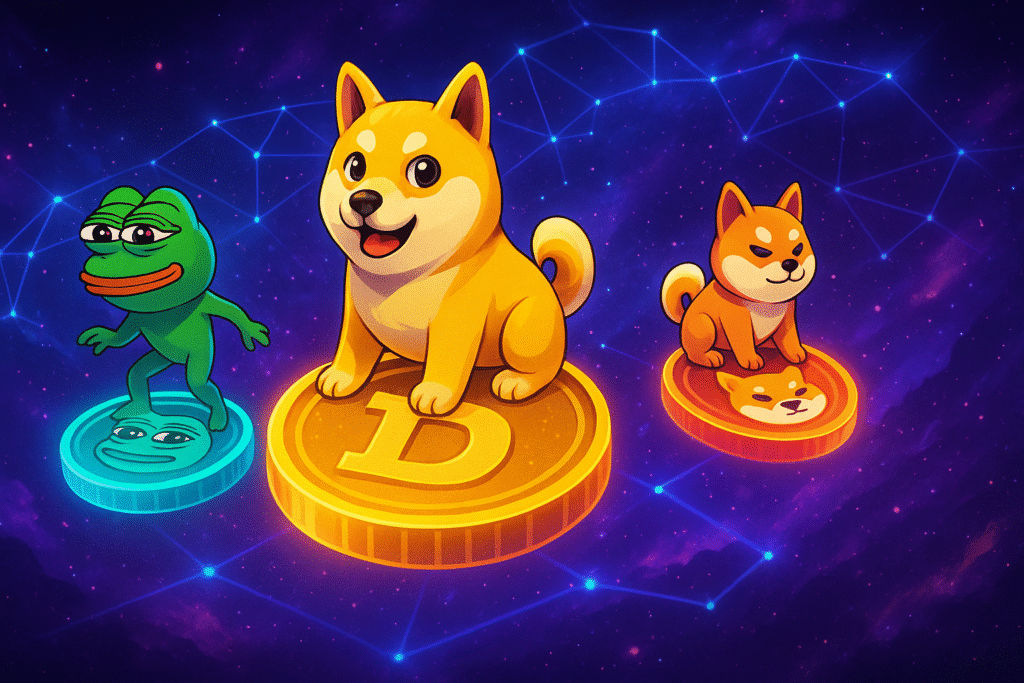
It started as a joke – literally. A Shiba Inu dog, a few lines of code, and an internet meme turned into Dogecoin, the first viral crypto sensation. Nobody expected it to matter. And yet, years later, meme coins have become one of the most powerful – and puzzling – forces in the crypto market. They’ve evolved from lighthearted pranks into serious market movers that command billions in trading volume. The question isn’t whether meme coins are a joke anymore. The real question is: how did the joke end up taking over the room?
At their core, meme coins represent the fusion of finance and internet culture. They trade on humor, community, and virality rather than traditional fundamentals. While Bitcoin and Ethereum were built on technology and purpose, meme coins are built on personality and participation. People don’t just invest in them – they belong to them. From Dogecoin’s early Reddit fandom to the army of Shiba Inu supporters who proudly call themselves the “SHIBArmy,” these communities turn speculation into a shared social experience. In a market driven by sentiment, that collective energy has real value.
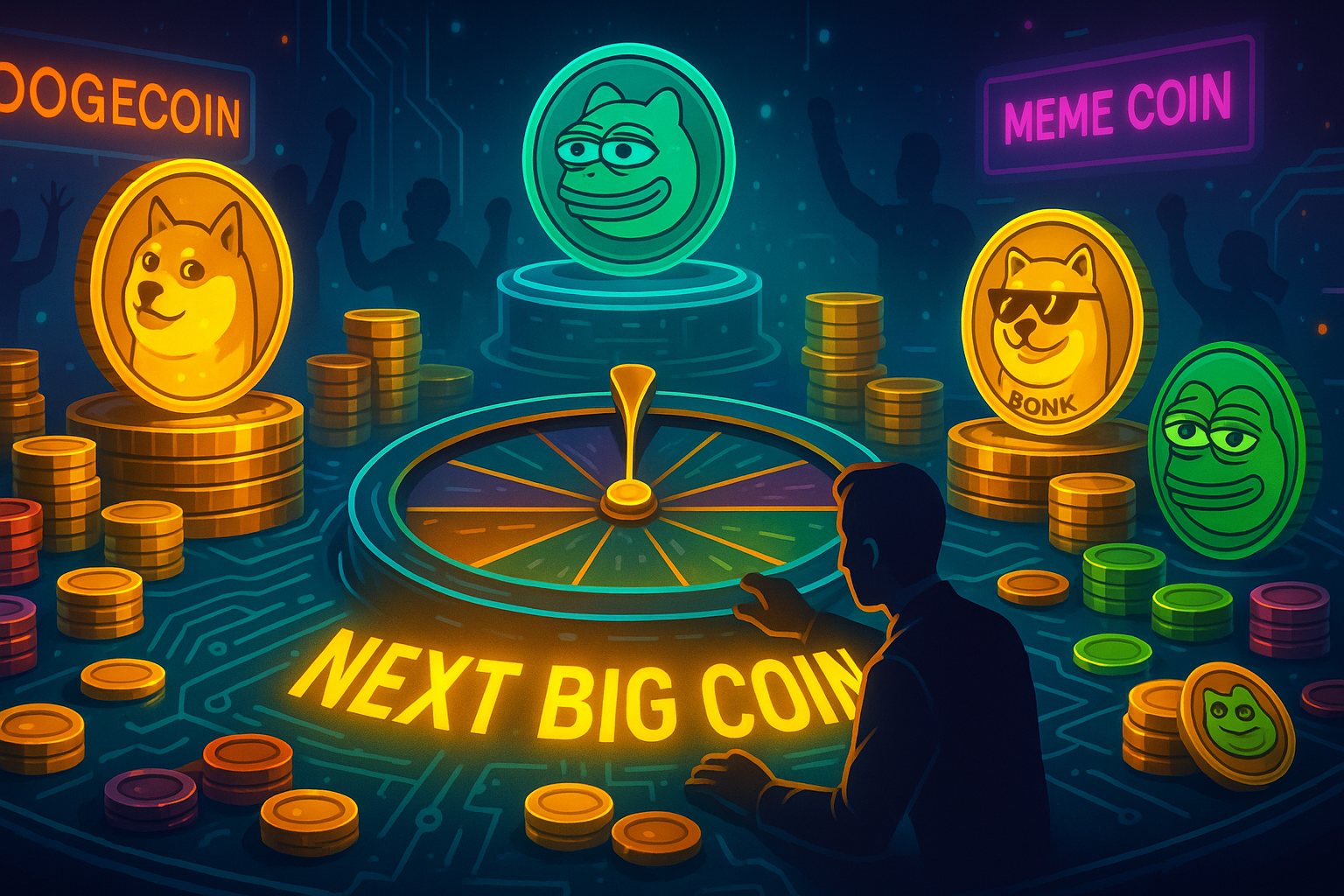
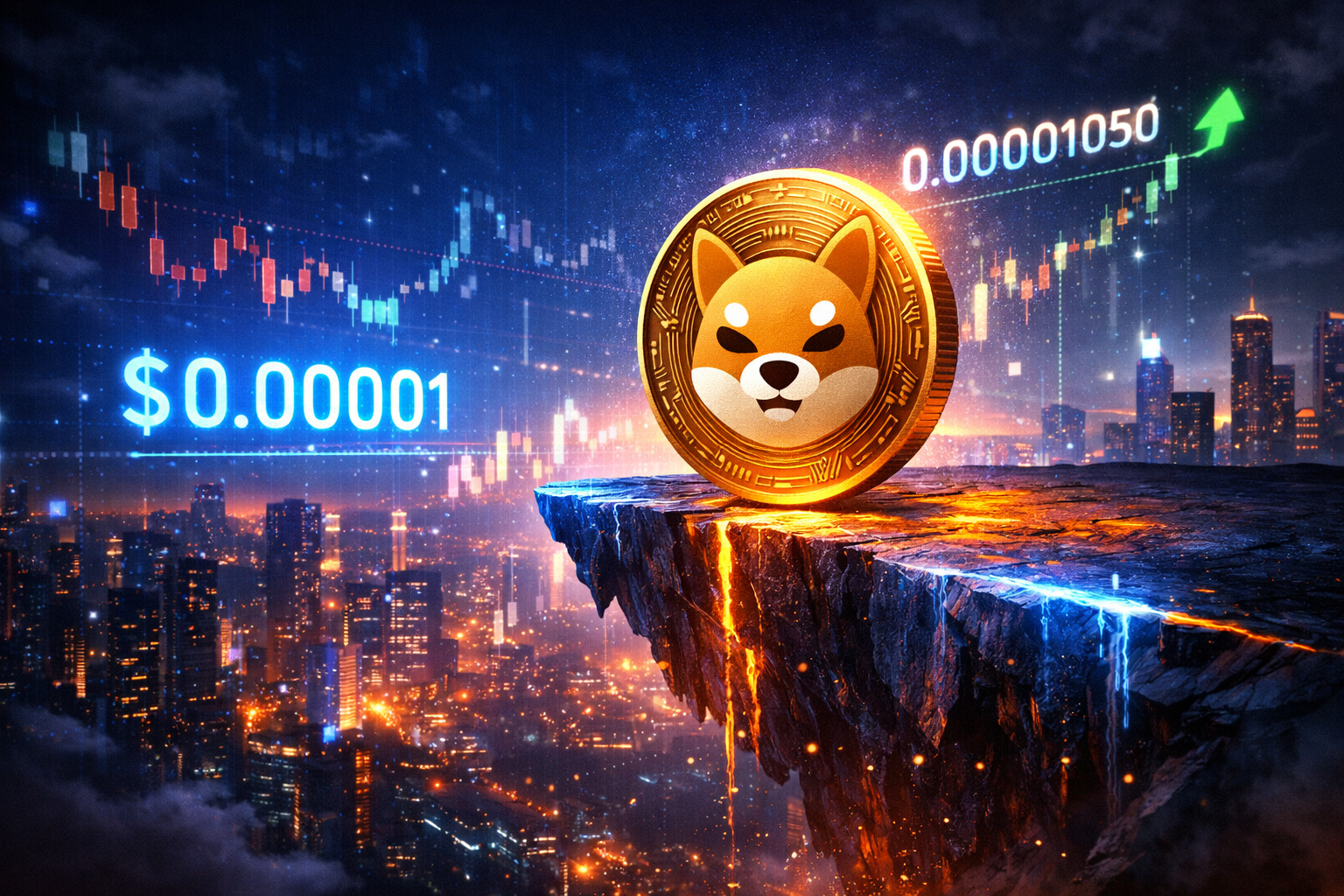
The turning point came when meme coins began proving their staying power. Dogecoin outlived countless skeptics and became a payment method at real businesses. Shiba Inu launched its own decentralized exchange, NFTs, and even a metaverse project. Newer players like Pepe, Bonk, and Dogwifhat have followed, showing that memes can evolve into ecosystems. Behind the jokes and emojis lies something surprisingly powerful – the ability to unite people around shared enthusiasm in a way traditional finance never could. In crypto, attention is capital, and meme coins have mastered it.
Of course, not all meme coins are success stories. For every viral winner, there are hundreds that vanish faster than you can say “rug pull.” They’re high-risk by design, driven by speculation rather than intrinsic utility. But that’s part of their charm. Meme coins tap into the emotional side of crypto – the thrill, the chaos, and the hope of catching lightning in a bottle. They remind everyone that markets aren’t just about charts and code; they’re about people, laughter, and the occasional leap of faith.
In the end, meme coins became a serious force not because they abandoned their roots, but because they embraced them. They turned internet humor into market energy and community loyalty into a form of digital currency. Whether they’ll reshape the future of finance or fade back into the meme archives remains to be seen. But one thing’s certain. In a world where attention is the new gold, meme coins figured out how to mine it better than anyone else.