If Bitcoin is digital gold, then Ethereum is the digital engine – the technology that turned blockchain from a one-trick currency system into an entire playground for innovation. It’s the reason you can mint NFTs, stake tokens, or lend crypto without ever talking to a bank. But Ethereum isn’t just a cryptocurrency; it’s an ecosystem, a platform, and in many ways, the backbone of what’s now called Web3 – the decentralized web.
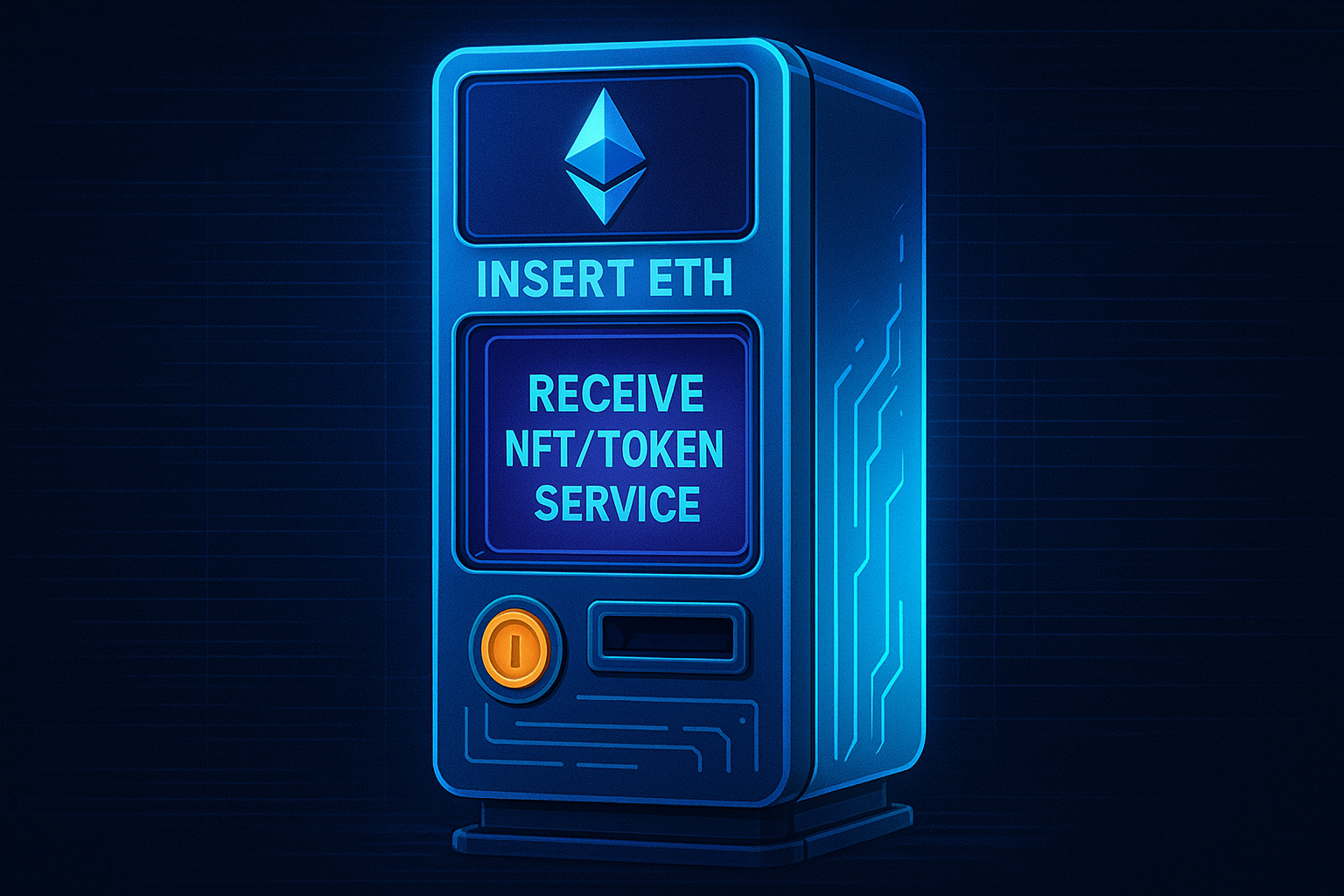
At its core, Ethereum is a programmable blockchain. While Bitcoin was designed primarily to store and transfer value, Ethereum introduced something radical: smart contracts. These are self-executing bits of code that automatically run when conditions are met. In plain English, it’s like digital vending machines for trust – no cashier, no middleman, just pure logic. For example, you can write a smart contract that says, “If Alice sends 1 ETH, she automatically gets an NFT.” No one needs to oversee it; the network enforces the deal. This single innovation turned Ethereum from a ledger into a global computer.
So, how does this power the decentralized web? Traditional websites and apps run on centralized servers – one company controls your data, decides the rules, and can pull the plug anytime. Ethereum flips that model. Apps built on Ethereum, known as decentralized applications (dApps), run on a network of thousands of computers around the world. No single entity owns or controls them. This creates a trustless environment – one where users own their data, control their identity, and interact directly with each other. It’s like taking the internet and removing the landlords.
Ethereum also fuels the explosion of decentralized finance (DeFi) and NFTs. DeFi lets anyone lend, borrow, trade, or earn interest without banks. NFTs let creators tokenize ownership of art, collectibles, and even digital land. All of this runs on Ethereum’s blockchain, powered by its native currency, Ether (ETH). The gas fees – small amounts of ETH paid to process transactions – keep the network secure and incentivize validators to maintain it. It’s a self-sustaining digital economy where users, developers, and investors all play a part.
In essence, Ethereum isn’t just a blockchain – it’s a movement toward digital sovereignty. It’s about taking back control from centralized corporations and placing it in the hands of users through transparent, autonomous systems. The decentralized web it powers isn’t a distant dream; it’s already here, quietly reshaping finance, art, gaming, and identity. And while Ethereum has competitors trying to outpace it, none can deny this simple truth: it started the revolution that changed how the internet, and trust itself, works.