When Bitcoin burst onto the scene in 2009, it was like the mysterious new kid in school who suddenly became everyone’s obsession. For a while, it ruled the class – decentralized, cool, and totally unbothered by traditional finance. But then, as all revolutions go, people started asking: “Okay, but what else can we do with this blockchain thing?”
That’s when the floodgates opened. Enter altcoins – short for “alternative coins” – the thousands of digital tokens that came marching in after Bitcoin, each claiming to be smarter, faster, fairer, or simply funnier (looking at you, Dogecoin).
Today, the crypto space is like a crowded concert – Bitcoin’s still the headliner, but the altcoins are the wild opening acts stealing some serious spotlight.
So, What Exactly Are Altcoins?
Technically, any cryptocurrency that isn’t Bitcoin falls into the “altcoin” bucket. But that definition doesn’t do justice to how diverse and creative this space has become.
Some altcoins aim to fix Bitcoin’s flaws, others try to do completely new things, and a few just want to make people laugh while they moon.
For example, Ethereum decided that blockchain shouldn’t just send money — it should run code. Solana wanted to make things faster. Monero went all-in on privacy, while Dogecoin was literally made as a joke… and somehow ended up sponsoring a NASCAR car.
That’s crypto for you.
Why So Many Coins?
If you’ve ever wondered why there are more crypto projects than Marvel sequels, the answer is simple: everyone’s chasing a better version of something.
Bitcoin was the proof of concept – the prototype that showed money could exist without banks. But soon after, developers realized it had limits: it’s slow, it can’t run apps, and it guzzles energy like a 2008 laptop mining on dial-up.
So new coins emerged to patch, enhance, or reinvent the idea entirely.
- Some focused on speed and scalability – like Litecoin (Bitcoin’s faster cousin) or Avalanche, which handles transactions in the blink of an eye.
- Others tackled privacy, like Zcash or Monero, keeping your wallet secrets safer than a teenager’s search history.
- And then came Ethereum, the show-off that brought us smart contracts – self-executing bits of code that power everything from DeFi apps to NFTs of pixelated penguins.
In short, altcoins exist because innovation doesn’t sleep – and crypto devs definitely don’t either.
The Big Personalities in the Altcoin Family
You could think of the altcoin market like a giant extended family gathering. Bitcoin’s the serious grandparent everyone respects, but the rest? They’re all characters.
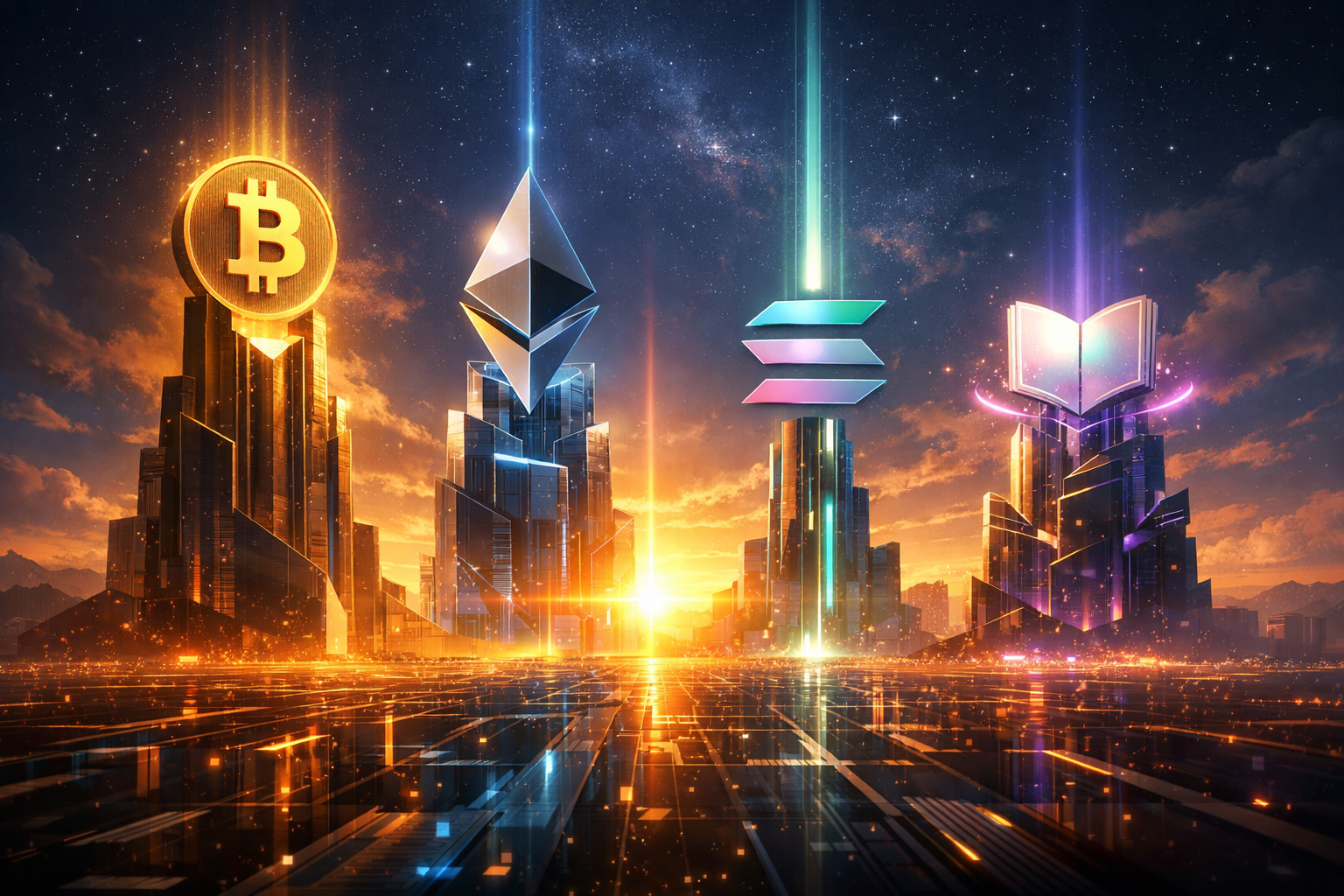
There’s Ethereum, the genius cousin building decentralized apps 24/7. Cardano, the overachiever who writes academic papers before releasing updates. Solana, the fast talker – sometimes too fast for its own good. Dogecoin, the class clown who somehow made a fortune.
And every year, a few new family members show up with big dreams and questionable life choices – “Hi, I’m PepeCoin!”
Some will vanish faster than you can say rug pull, but a few will evolve into serious innovations that reshape entire industries.
Altcoins vs Bitcoin: The Great Debate
Here’s where things get spicy. Bitcoin loyalists argue that BTC is the only crypto that truly matters – digital gold, indestructible, and destined to rule forever. Altcoin supporters, on the other hand, see Bitcoin as the stubborn grandpa who refuses to download TikTok.
They say:
- Bitcoin is solid but limited.
- Altcoins are risky but revolutionary.
And honestly? Both are right.
Bitcoin perfected the store-of-value idea – a decentralized, scarce asset immune to government meddling. But altcoins unlocked creativity – they let developers build worlds, economies, and entire virtual societies on blockchain rails.
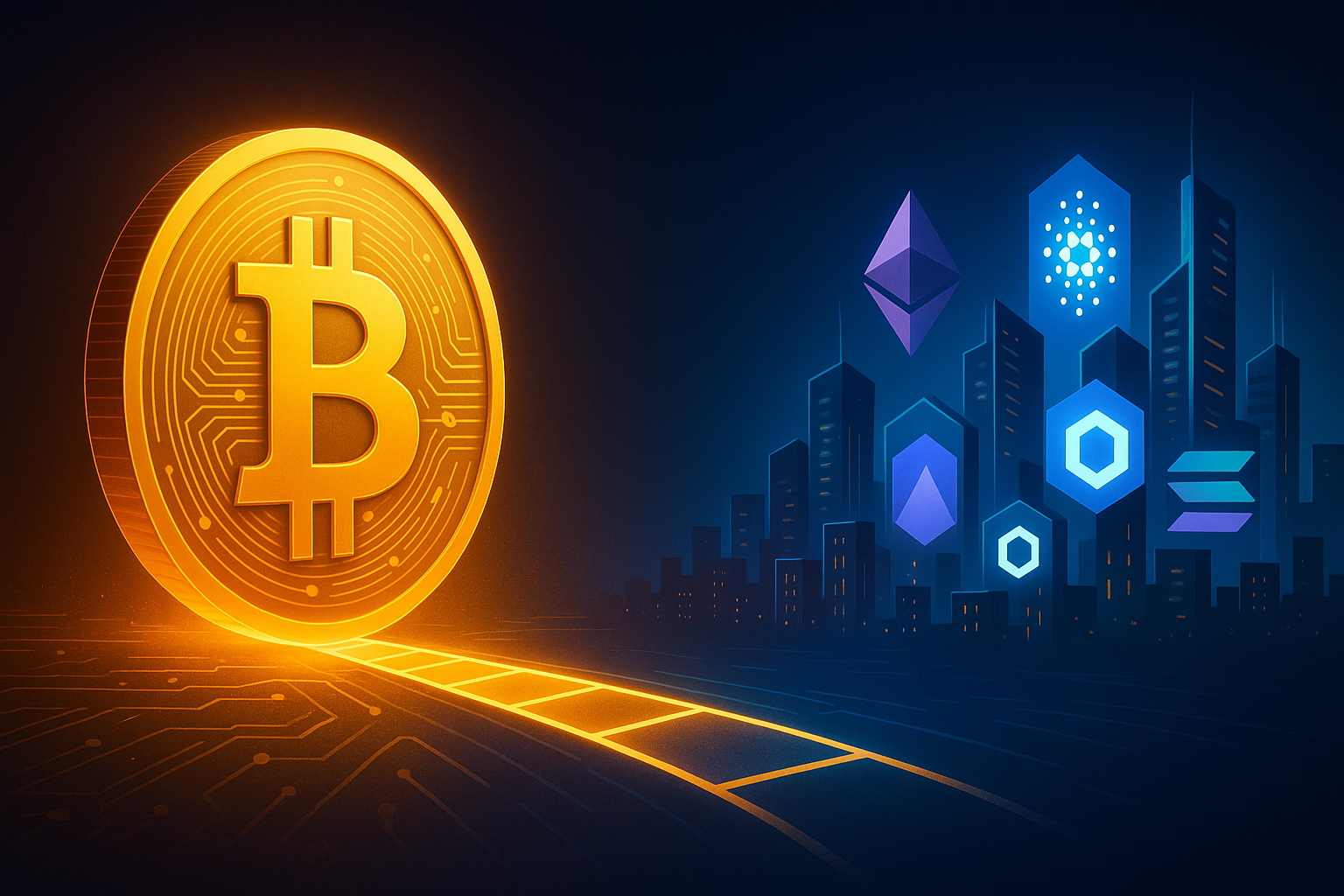
Think of it like this: Bitcoin built the highway, and altcoins are the cars, bikes, buses, and yes, meme-powered hoverboards cruising on it.
Are Altcoins Worth the Hype (and the Risk)?
Here’s the truth: for every altcoin success story, there are dozens of projects that crash, burn, or quietly fade away. Investing in altcoins can feel like playing Pokémon — you’re always trying to catch the next rare one before it evolves into a 100x beast.
But that’s also what makes them exciting.
Altcoins are innovation labs – messy, chaotic, and full of potential. They’re how blockchain technology grows up and experiments with new identities.
Just don’t bet your rent money on the next coin with a frog logo and zero utility. As crypto veterans like to say: “DYOR – do your own research.”
Why Altcoins Actually Matter
Despite the jokes, altcoins are crucial to crypto’s progress. Without them, we wouldn’t have DeFi lending, NFT art markets, cross-chain bridges, or blockchain-based games.
Altcoins are the ones taking risks, breaking things, fixing them again, and proving new use cases Bitcoin never intended. Every time one succeeds, the entire ecosystem levels up.
They’re not “copies” of Bitcoin – they’re spin-offs, and like in Hollywood, some spin-offs end up being better than the original.
Final Thoughts: The Beauty of Chaos
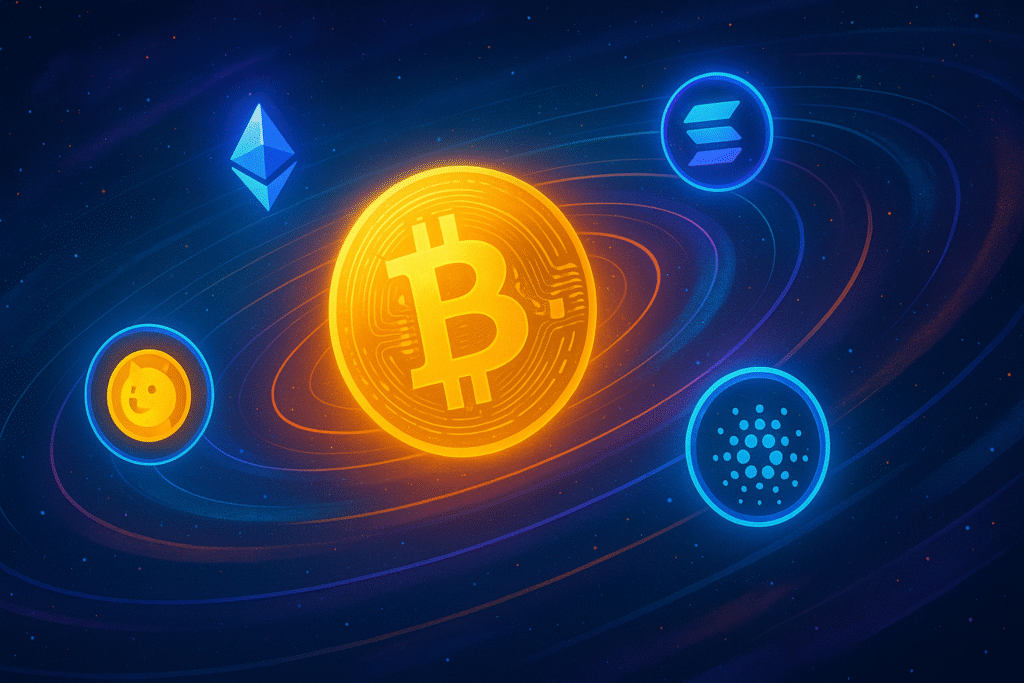
If Bitcoin is the foundation of the crypto universe, altcoins are the endless stars that make the galaxy interesting. Sure, some burn out, some explode, and some just float quietly – but together, they keep the space alive.
So the next time you scroll through CoinMarketCap and wonder why there are so many coins, remember this: each one started with a person who thought, “What if we could make crypto do something new?”
And that’s the spirit of innovation – unpredictable, messy, and occasionally absurd… but always moving the world forward, one block at a time.